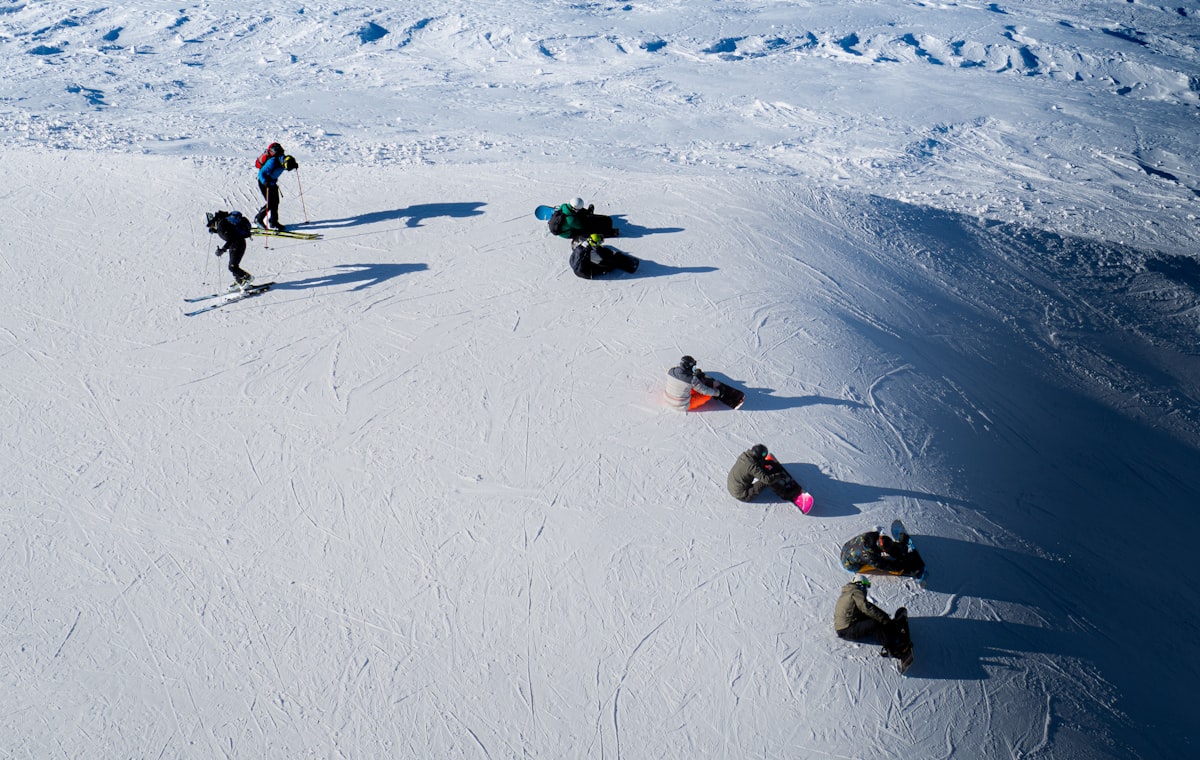
The Dolomites contain some of the most spectacular skiing terrain in the Alps. The pale vertical rock faces, the high-altitude light, and the network of rifugi for lunch between runs make this a fundamentally different experience from Swiss or Austrian alternatives - more theatrical, more Italian, and built around a skiing culture that goes back over a century.
Top Tours at a Glance
| Tour | Duration | Price (from) | Group Size | Highlights |
|---|---|---|---|---|
| Dolomites guided ski day — Val Gardena | Full day | from €150 | Up to 8 | IFMGA guide, off-piste options, Sella Ronda circuit |
| Beginner ski lesson package | 3 hrs | from €55 | Up to 8 | Certified instructor, equipment hire available |
| Dolomites snowshoeing tour | 3 hrs | from €40 | Up to 10 | No ski experience needed, mountain scenery |
| Ice climbing introduction — Dolomites | 4 hrs | from €75 | Up to 6 | Guided, all equipment, suitable for beginners |
Browse all Dolomites tours → GetYourGuide
The Dolomiti Superski network links 12 ski areas across 1,200km of marked runs and 400+ lifts on a single pass. Each area has its own character. Here’s what distinguishes the main resorts and how to choose between them.
Cortina d’Ampezzo - Tofana and Faloria
Cortina is the grand dame of Italian skiing. The town hosted the 1956 Winter Olympics and is scheduled to co-host events at the 2026 Winter Games with Milan. The Tofana area - accessed via the Freccia nel Cielo (Arrow in the Sky) cable car system - climbs to 3,244m and offers commanding views across the eastern Dolomites. On a clear day you can see as far as the Marmolada glacier.
The skiing is spread across three separate ski areas (Tofana, Faloria-Cristallo, and Cinque Torri) that aren’t directly connected by piste - you need a ski bus to move between them. That fragmentation is Cortina’s main weakness for dedicated piste skiers. For everyone else, the town atmosphere, the restaurants on the mountain, and the quality of the snow at altitude more than compensate.
Best runs: The Olympia delle Tofane (World Cup downhill course) is legendary. The Forcella Rossa descent from Tofana is steep and exposed. Beginners are better served on the Socrepes plateau, which has long gentle blues.
Access: Freccia nel Cielo from Piazzale Marcuoira, or direct gondola from Ra Valles at the base of Tofana 2. Faloria cable car departs from the edge of town.
Val Gardena - Selva, Ortisei, Santa Cristina
Val Gardena is connected into the Sella Ronda - the famous circuit around the Sella massif that links four valleys (Val Gardena, Alta Badia, Val di Fassa/Canazei, and Val Badia) in a loop that most intermediate skiers can complete in a day. The circuit runs clockwise and anticlockwise; the clockwise direction (following the orange markers) is generally preferred for the longer descents.
The Seceda plateau above Ortisei, reached by cable car, is one of the most photographed viewpoints in the entire range - the ridge walk above the treeline with the Geisler Spitzen behind you is extraordinary even without skis. In winter, the descent from Seceda back to Ortisei is a blue run popular with families.
Selva di Val Gardena is the best base for piste skiers - it sits at the intersection of several major run systems and has the most direct access to the Sella Ronda circuit. The Gran Gherdëina World Cup course drops through dense forest above Selva.
Ski schools: Val Gardena has several long-established ski schools with English-speaking instructors. The Scuola Sci Selva and Scuola Sci Ortisei both offer group and private lessons from approximately €120 for a 3-hour private session and from €55 for a half-day group lesson (as of 2026).
Alta Badia - La Villa, Corvara, San Cassiano
Alta Badia consistently ranks among skiers’ favourite areas in the Dolomiti Superski network. The terrain suits a wide range of abilities - long intermediate blues and reds through open bowls, with some black variants for advanced skiers - and the resort has a strong reputation for mountain restaurants. The Ütia de Börz and La Stüa de Michil at the Hotel La Perla in Corvara are the most cited; the latter is one of the few genuine fine-dining experiences accessible on skis in the Alps.
The Superski Gran Risa World Cup course (GS) runs from the top of the La Villa sector and is skiable by intermediates outside race periods. The Pralongia plateau is a broad, sunny area good for confident beginners who’ve moved off dedicated learner slopes.
Getting there: The closest train station is Brunico (Bruneck) on the Pusteria Valley line from Fortezza or Lienz, with connecting buses. By car, exit at Bressanone or Brunico on the A22 Brenner motorway.
Plan de Corones (Kronplatz) - Brunico
Plan de Corones is the single most-visited ski mountain in South Tyrol, with nearly 3 million skier-days per year. The summit at 2,275m is reached by gondola from three valley stations (Brunico/Riscone, Valdaora, and St. Vigilio di Marebbe), and the mountain is notable for having no interconnecting valley runs - every descent returns to one of the three bases. This creates a distinctive “wheel” shape to the ski area.
The Millennium piste and Erta black run are the technical highlights. The majority of the terrain is red-graded and suits solid intermediates well. The Messner Mountain Museum Corones on the summit plateau is architecturally remarkable - carved into the rock by Zaha Hadid and accessible without ski boots.
Practical note: Plan de Corones is less connected to the Sella Ronda circuit than the western Dolomites resorts, so it works best as a standalone day or as part of a multi-area ski tour rather than a base for circuit skiing.
Val di Fassa - Canazei and Campitello
Val di Fassa forms the fourth arm of the Sella Ronda. Canazei is the main town; it has a more relaxed, less expensive feel than Cortina or Selva. The Col Rodella area above Campitello connects directly into the Sella circuit and the Belvedere ski area near Canazei links towards the Marmolada glacier.
The Marmolada - at 3,342m the highest point in the Dolomites - has a glacier ski area that typically stays skiable into April and sometimes into early May. The views from the summit are the most extensive in the range. The glacier approach via the Punta Rocca cable car from Malga Ciapela takes around 10 minutes.
Dolomiti Superski Pass - Prices and How to Buy
The Dolomiti Superski pass covers all 12 linked areas (including Cortina, Val Gardena, Alta Badia, Plan de Corones, Val di Fassa, Arabba, and others) on a single card.
Approximate 2026 prices (adults, pre-purchased online):
- 1 day: €72–80
- 3 days: €205–230
- 6 days: €350–395
- 7 days: €395–440
Children under 8 ski free when accompanied by a paying adult. Teens (15–17) receive a modest reduction. Senior rates (60+) apply in January and early March.
Book at dolomitisuperski.com - purchasing online typically saves 5–10% against ski hire desk prices. Queued ticket windows at major lifts can add 20–30 minutes to your morning in peak weeks.
Ski Hire
Equipment rental is available in every village. Expect to pay approximately €35–50 per day for skis, boots, and poles from a resort shop, or €20–30/day on a 6-day package deal. Booking ahead online (several international chains have presence) saves around 15–20% vs. walk-in.
Helmets are compulsory on Italian ski runs for under-18s and strongly recommended for adults. Most hire shops include them in packages.
Getting to the Dolomites Ski Resorts
The closest major airports are Venice Marco Polo (for Cortina, Val di Fassa - around 2.5 hours by road), Verona (Val di Fassa, ~2 hours), Innsbruck (Val Gardena, Alta Badia - around 2 hours through the Brenner), and Venice or Treviso for eastern areas.
By train + bus: Bolzano connects to Val Gardena and Plan de Corones by SAD bus. Fortezza connects to the Pusteria Valley line. For Cortina, the Dolomiti Bus from Calalzo di Cadore (the nearest train station) takes around 1 hour. Driving remains the most practical option for reaching multiple areas in one trip.
Ski bus networks: Free or low-cost ski bus services run between resort villages in each area during the season. Check local operator schedules at your accommodation - routes vary by valley.
Where to Book Activities and Tours
For guided days, off-piste instruction, ice climbing, snowshoeing excursions alongside skiing, or ski touring introductions, browse Dolomites winter activities on GetYourGuide. Guided off-piste days typically run from around €150 per person in a small group.
If you’re planning a broader Dolomites trip, the Dolomites travel hub covers all seasons. For non-skiing winter activities - snowshoeing, Christmas markets, thermal spas - see the Dolomites winter guide. For summer hiking with a guide, see Dolomites guided hikes.