Quick Answer
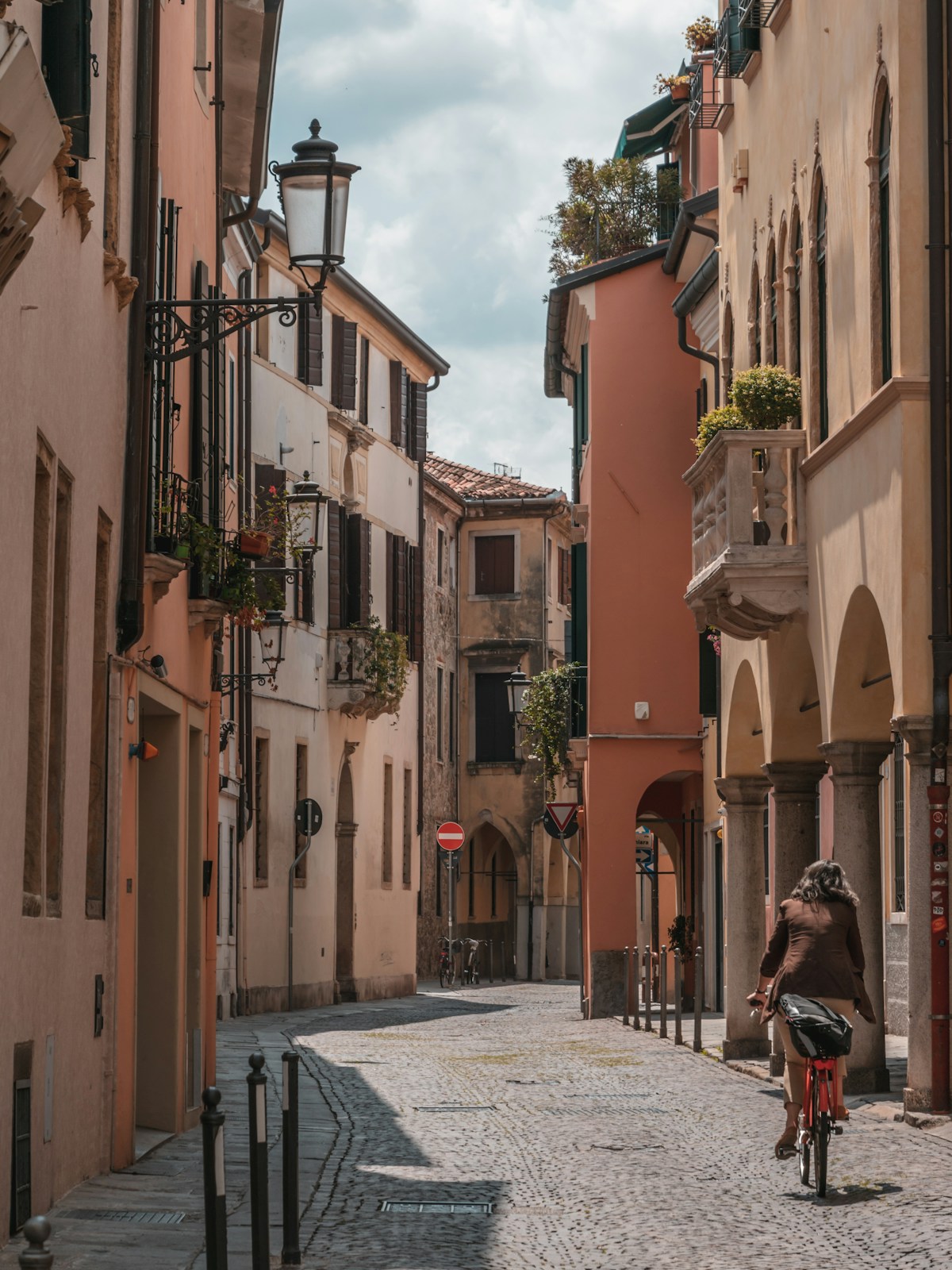
May to June and September to October suit most visitors to Padua. The city is genuinely manageable year-round — it attracts far fewer tourists than nearby Venice, which sits 40 km east — but the Scrovegni Chapel’s timed 15-minute entry slots require advance booking regardless of season. For accommodation across price ranges, see Padua hotels, and explore the city’s main sights via Padua tours. The Padua city guide covers getting around and what’s worth prioritising.
Season Overview
| Month | Avg Temp | Rain Days | Crowds | Cost |
|---|---|---|---|---|
| January | 3°C | 6 | Very low | Low |
| February | 5°C | 6 | Very low | Low |
| March | 10°C | 7 | Low | Low–Med |
| April | 15°C | 9 | Low–Med | Med |
| May | 20°C | 9 | Medium | Med |
| June | 24°C | 8 | Med–High | Med–High |
| July | 27°C | 6 | High | High |
| August | 27°C | 6 | Med–High | High |
| September | 22°C | 7 | Medium | Med |
| October | 16°C | 8 | Low–Med | Med |
| November | 9°C | 7 | Low | Low |
| December | 4°C | 6 | Low | Low |
Peak Season: June to August
Padua is a different city from Venice in summer. While Venice absorbs over 30 million visitors annually, Padua’s tourist numbers are a fraction of that — the Piazza dei Signori and Prato della Valle remain navigable in July. The heat, however, is real: July and August average 27–29°C and the humidity of the Po Valley makes temperatures feel higher than the thermometer suggests.
The Basilica di Sant’Antonio, which holds the relics of St. Francis’s contemporary and remains one of Italy’s most significant pilgrimage churches, is busy through summer — entrance is free, but the space fills quickly from mid-morning. For the Cappella degli Scrovegni (Giotto’s 1305 fresco cycle, considered among the most important in Western art), 15-minute timed entry slots must be booked in advance year-round. In July and August, availability can run short weeks ahead; in October or March, a few days’ notice is usually sufficient. Entry costs approximately €15 per person including the booking fee.
August sees the university population largely absent — Padua hosts the University of Padova, Europe’s second oldest, founded in 1222, with around 60,000 students. Their departure gives the centro storico a more relaxed feel despite the tourist influx, and restaurants in the student quarter around Via dei Porteghi have shorter queues.
Shoulder Season: April to May and September to October
May and early June are when Padua’s Orto Botanico — the world’s oldest university botanical garden, established in 1545 and a UNESCO World Heritage Site — is at its most spectacular. The garden’s circular design, unchanged since the sixteenth century, holds over 3,500 species; the original Goethe palm (planted 1585) is still alive and growing. Entry is approximately €10.
September is warm (22°C), the Scrovegni Chapel is fully operational, and university students return in late September — filling the porticoes, cafes, and markets and restoring the city’s characteristic pace. October cools to around 16°C but remains comfortable for walking the 2 km arcade route from the station to the Prato della Valle.
The Prato della Valle itself — Europe’s largest elliptical square, measuring 90,000 m² — holds a market on the third Sunday of every month, an event that draws vendors and buyers from across the Veneto. It’s free to walk through regardless of market day.
Off Season: November to March
Winter is quiet in Padua. The Scrovegni Chapel and Palazzo della Ragione (the medieval law court with its extraordinary astrological fresco ceiling) operate normal hours with very few visitors. The historic caffès under the porticoes — Caffè Pedrocchi, open since 1831 and once known as the café without doors for never closing — are most atmospheric in winter, when they serve as genuine refuges from the cold rather than tourist stops.
A Christmas market runs in the Prato della Valle through December, with stalls selling local food, crafts, and Veneto wines. Snow is possible but not common; temperatures rarely drop below -2°C.
Month-by-Month Guide
| Month | Highlights | Watch Out For |
|---|---|---|
| January | Empty Scrovegni Chapel; no queues | Cold; some restaurants closed Mon–Tue |
| February | Low prices; Carnival events in Veneto | Short days |
| March | University in session; spring markets | Occasional rain |
| April | Botanical Garden flowering; mild weather | Rain peaks |
| May | Ideal temperatures; all sights open | Growing weekend visitors |
| June | Feast of Sant’Antonio (13 June) | Major pilgrimage disruption around basilica |
| July | Long days; lively piazzas | Heat; Scrovegni slots scarce |
| August | Quieter student quarter | Hottest month; high prices |
| September | Warm evenings; students return | Accommodation books up quickly |
| October | Monthly market; comfortable walking | Cooler evenings |
| November | Off-season prices; peaceful sights | Fog possible |
| December | Christmas market at Prato della Valle | Cold and damp |
Key Events and Festivals
- Feast of Sant’Antonio (13 June): the city’s most significant annual event, drawing over 100,000 pilgrims to the Basilica di Sant’Antonio for the blessing of the sick, candlelit evening procession, and outdoor masses; book accommodation months in advance
- Prato della Valle Market (third Sunday each month): antique and general market in the elliptical piazza, free entry, running year-round
- Padua International Film Festival (October): independent film screenings across the city’s historic cinemas
- Christmas Market (December): multi-week market in the Prato della Valle with Veneto food producers and craft sellers
- University Graduation Ceremonies (throughout the year, peaking June and October): Padua’s centuries-old tradition of public laurea celebrations — graduates in academic dress processing through the porticoes — visible from the streets at no cost
Plan Your Trip
✈️ Book your flights to Italy 🎫 Find tours in Padua 🛡️ Get travel insurance 📱 Stay connected with an eSIM 🚗 Hire a car in Italy