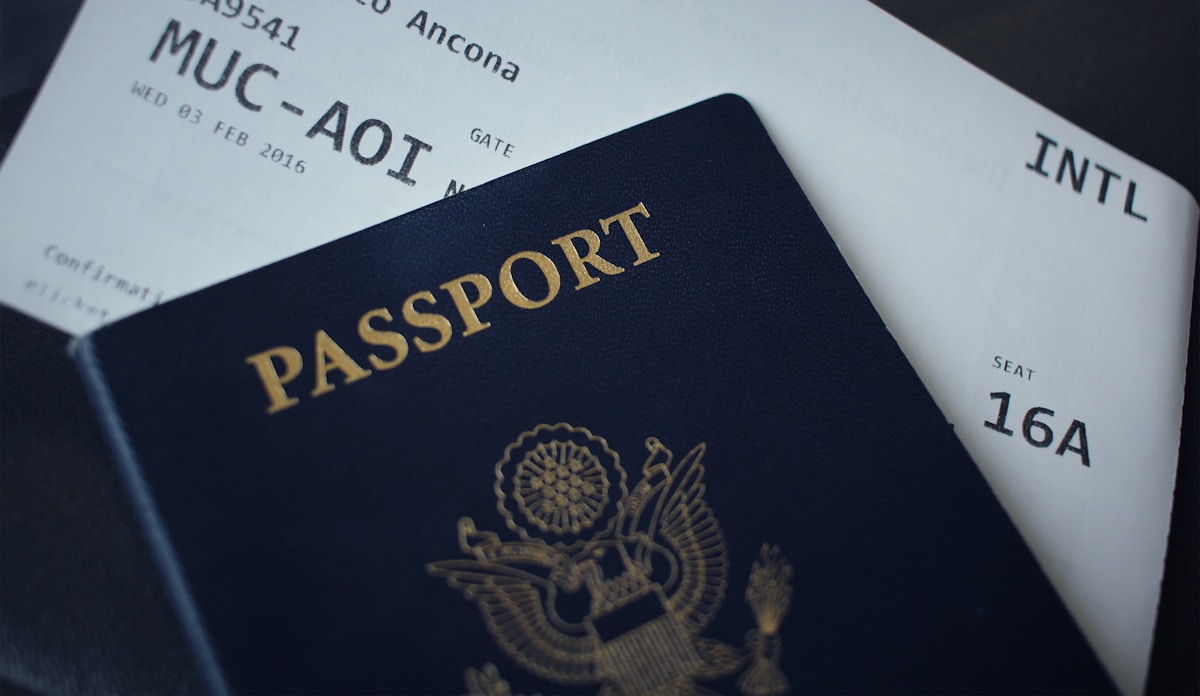
Italy’s temporary border controls on air and sea arrivals from Spain expire tomorrow, 16 September 2026 — ending a six-week period during which both countries maintained simultaneous Schengen checks. Spain’s own controls remain in place until 22 September.
What Was Happening and Why
Italy introduced border controls on 1 August 2026, primarily targeting air and sea arrivals from Spain. The measure was triggered by migration pressure linked to the Ceuta situation on Spain’s North African border, which produced a secondary movement of migrants northward through the Iberian Peninsula and into the broader Schengen zone.
Both countries activated controls simultaneously on 8 September, with Italy’s expiring 16 September and Spain’s expiring 22 September. This kind of temporary Schengen suspension is permitted under Articles 25–28 of the Schengen Borders Code when a member state identifies a serious threat to public policy or internal security.
Land borders between Italy and Spain were not affected — the controls applied only to air and sea entry points.
What Travellers Should Know
For most travellers, the practical impact has been limited to possible passport checks and processing delays at airports on direct Italy–Spain routes. EU citizens were not the primary target of the measure, but checks at passport control applied to all passengers.
From 16 September, Italy returns to normal Schengen operations for arrivals from Spain. Travellers who were planning to fly from Spain to Italy and were concerned about delays or document requirements can proceed without those concerns from tomorrow.
If you are currently travelling between Spain and Italy, or planning to do so in the coming days, note that Spain’s controls on arrivals from certain origins continue until 22 September. This affects the Spain-side of any journey, not the Italy-side.
Entry Requirements to Italy: The Standing Position
Schengen-area citizens — including all EU and EEA nationals — do not require a visa to enter Italy. Non-EU visitors from many countries (including the US, UK, Canada, and Australia) may enter for up to 90 days within any 180-day period without a visa under normal Schengen rules.
ETIAS, the EU’s electronic travel authorisation system for visa-exempt non-EU nationals, has been scheduled for launch but at time of publication has not yet entered into force. We will update this when a firm date is confirmed.
Our full guide to Italy visa requirements covers the standard entry rules in detail. For current arrivals, the reinstatement of normal Schengen rules from tomorrow means Rome and other major Italian airports should see processing times return to standard.
Context: Schengen Suspensions Are More Common Than Many Assume
Since 2015, various Schengen member states have invoked temporary border control provisions at different points, citing migration, terrorism risk, or major public events. The Italy–Spain episode is another in a series of such episodes rather than a fundamental change to Schengen’s operation. The system’s architecture permits these temporary measures while preserving the overall framework of passport-free travel across most of Europe.
For now: if you fly into Italy from Spain tomorrow or later, expect normal Schengen operations.