Two Weeks in Italy: The Complete Itinerary
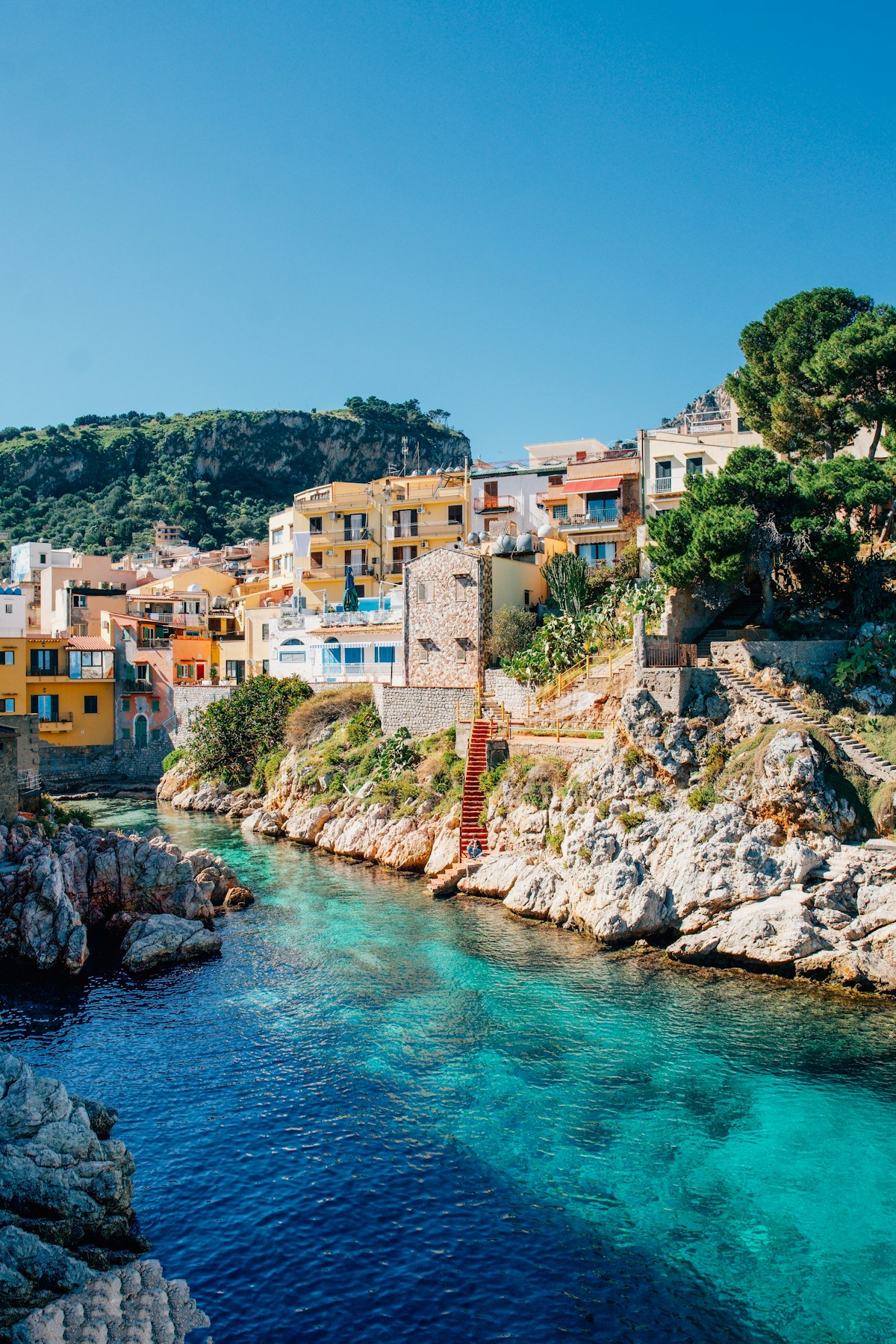
Two weeks allows a meaningful Italy itinerary — not everything, but enough to get past the tourist surface and into genuine depth. This itinerary runs south to north: Rome and the south first, then Tuscany, then the north. It uses high-speed trains for long-distance travel and a rented car for the Amalfi Coast and Tuscany.
What to book before you go
Essential pre-bookings:
- Colosseum + Roman Forum (coopculture.it)
- Vatican Museums + Sistine Chapel (museivaticani.va)
- Uffizi Gallery (uffizi.it)
- Last Supper, Milan — if including (months ahead in peak season)
- Pompeii tickets (pompeionline.net)
- Amalfi ferry or car hire
Trains to book ahead:
- Rome to Naples (Frecciarossa, 1h 10min)
- Naples to Florence (Frecciarossa, 3h)
- Florence to Bologna (35min)
- Bologna to Venice (1h 35min)
Days 1–4: Rome
Rome needs 3–4 days to see meaningfully. Follow a similar structure to the one-week itinerary but extend each area.
Day 1 — Ancient Rome: Colosseum, Roman Forum, Palatine Hill (morning). Afternoon: Circus Maximus, Aventine Hill, Trastevere.
Day 2 — Vatican: Vatican Museums + Sistine Chapel (morning). Castel Sant’Angelo. St Peter’s Basilica. Back via the Prati neighbourhood.
Day 3 — Central Rome: Borghese Gallery (morning). Spanish Steps, Trevi Fountain, Pantheon, Campo de’ Fiori, Piazza Navona. Evening in the Jewish Ghetto.
Day 4 — Off-the-main-track Rome: Ostia Antica (1 hour by metro/train) — Rome’s ancient harbour city, far less visited than Pompeii and extremely well preserved. Return for afternoon: the Appian Way (Via Appia Antica) with catacombs, or the Testaccio neighbourhood and the Non-Catholic Cemetery (Keats, Shelley, Gramsci).
Days 5–6: Naples
Take an early Frecciarossa from Roma Termini to Napoli Centrale (1h 10min).
Day 5 — Naples: The Museo Archeologico Nazionale in the morning (the world’s finest collection of Roman art, including the Pompeii finds). The Spaccanapoli neighbourhood for lunch — the long straight street cutting through the historic centre. The Cappella Sansevero (pre-book) for the Veiled Christ marble sculpture. The historic centre is UNESCO-listed. Eat pizza: this is its origin city, and the margherita here is different from everywhere else.
Day 6 — Pompeii and Herculaneum: Circumvesuviana train from Napoli Piazza Garibaldi (€2.80, 30 minutes). Pompeii in the morning (arrive before 9am). Return to Ercolano in the afternoon for Herculaneum — smaller, better preserved, usually far fewer visitors. Return to Naples for the night.
Days 7–8: Amalfi Coast
Hire a car for these two days (or take the SITA bus from Salerno, which is cheaper but slow). Drive or take the ferry to Positano, Amalfi, and Ravello.
Day 7 — Positano and Amalfi: Positano — the most photographed village on the coast, stacked up a cliff above the beach. Walk the Sentiero degli Dei (Path of the Gods) — a 2-hour ridge walk above the coast with extraordinary views. Drive to Amalfi for lunch. The Cathedral of Sant’Andrea is 9th-century.
Day 8 — Ravello and the return: Ravello, 350m above the coast, has Villa Rufolo (13th-century gardens, Richard Wagner composed here) and Villa Cimbrone (gardens with a clifftop terrace). Return your car at Salerno and take the Frecciarossa to Florence (3h from Naples or 2h from Salerno).
Days 9–11: Florence and Tuscany
Day 9 — Florence museums: Uffizi in the morning (pre-booked). Galleria dell’Accademia for the David. Afternoon: Oltrarno, Ponte Vecchio, Pitti Palace courtyard.
Day 10 — Florence in depth: Brunelleschi’s dome (pre-book), the Baptistery, Bargello museum (Donatello’s original bronze David). Evening: Piazzale Michelangelo.
Day 11 — Tuscany by car: Hire a car for a day. Siena (1.5 hours, medieval core, the Piazza del Campo) in the morning. San Gimignano (tower village) in the afternoon. Return through the Val d’Orcia — the rolling hills with cypress lines that appear on every Tuscany photograph. Pienza (Renaissance planned town) if time allows.
Day 12: Bologna
Take the morning Frecciarossa from Florence to Bologna (35min). Bologna is Italy’s most underrated city — the food capital, a medieval university town with the oldest university in the western world (founded 1088), beautiful arcaded streets, and the tallest surviving medieval towers. Spend a half-day: the Piazza Maggiore, the Two Towers, the covered passages (portici). Eat: tagliatelle al ragù (this is where Bolognese sauce comes from), tortellini in brodo, mortadella.
Days 13–14: Venice
Train from Bologna to Venice (1h 35min).
Day 13 — Venice on foot: St Mark’s Basilica, the Doge’s Palace, the Rialto bridge and market. Walk through Cannaregio (the old Jewish Ghetto, the most authentic neighbourhood in Venice) in the afternoon. The Scuola Grande di San Rocco for Tintoretto’s ceiling paintings.
Day 14 — The lagoon islands: Vaporetto to Murano, Burano, and Torcello. Return in the afternoon. Final evening: avoid the San Marco crowds and walk through the Castello and Arsenale areas.
Getting around
High-speed trains: Rome–Naples–Florence–Bologna–Venice all connected by Frecciarossa and Italo. Book ahead for best prices (€15–30 per leg booked a week ahead vs €50+ last minute).
Car hire: Useful for Days 7–8 (Amalfi) and Day 11 (Tuscany day trip). Avoid driving in Rome, Florence, Naples, or Venice — ZTL zones, parking costs, and traffic make it punishing. Return car before entering cities.
Ferry on the Amalfi: SITA buses serve the coast but are very slow. The ferry from Salerno or Positano gives better views and is often faster.
Book an experience
Itinerary in the area
Instant confirmation · Free cancellation on most bookings