One Week in Italy: The Classic First-Time Itinerary
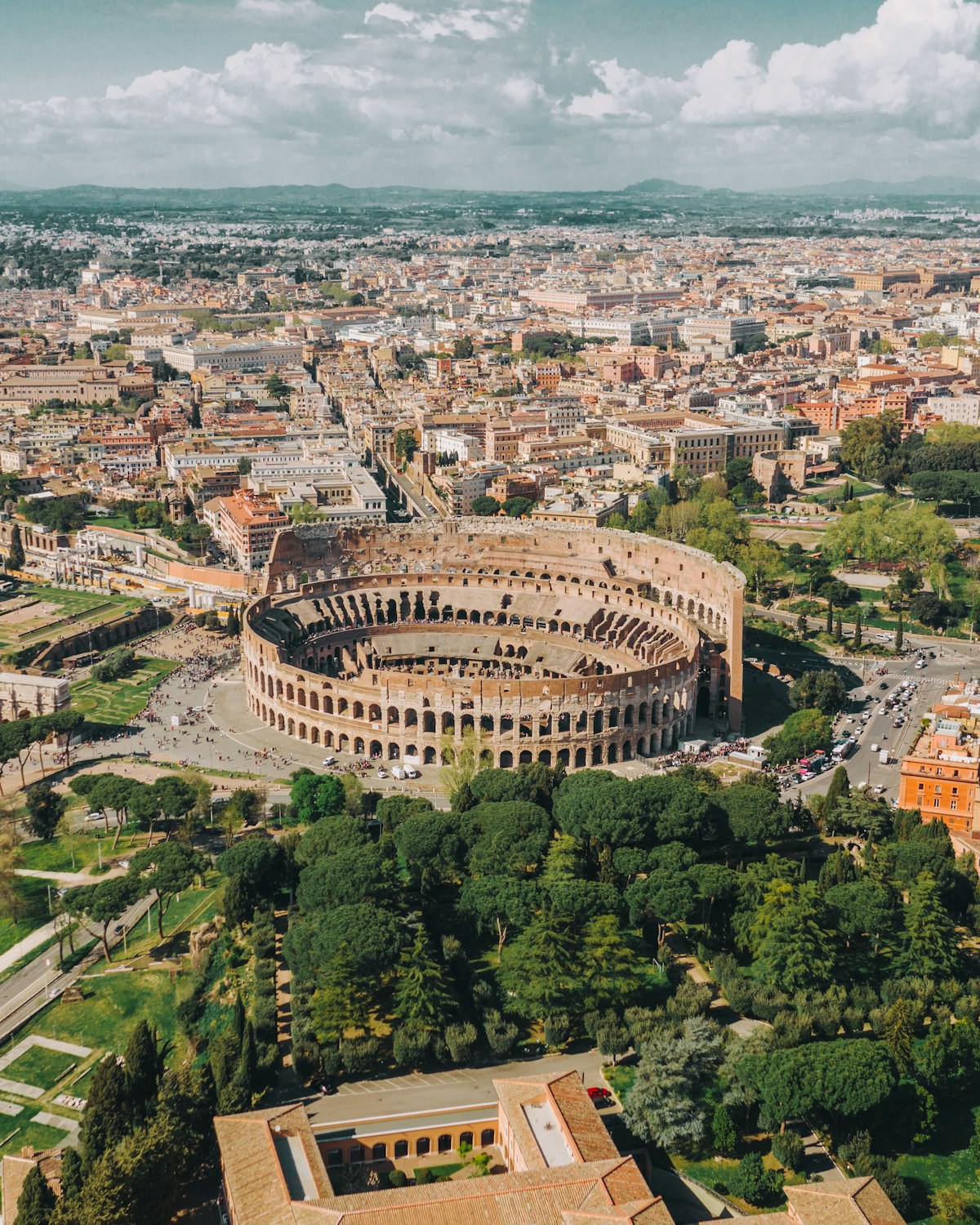
One week is not long for Italy, but it is enough for the essential three-city spine: Rome, Florence, and Venice. These three cities are connected by high-speed train and between them cover the most significant concentration of art, architecture, and history in the world. This is the itinerary most first-time visitors to Italy follow, and for good reason.
Before you go: book these in advance
Do not arrive without these bookings:
- Colosseum + Forum + Palatine — book on coopculture.it weeks ahead in peak season
- Uffizi Gallery — book on uffizi.it; queue without booking is 2+ hours
- Vatican Museums + Sistine Chapel — book on museivaticani.va; essential in summer
- Last Supper (Milan) — if including Milan, book months ahead
- Accommodation — book 4–8 weeks ahead for May–June and September–October; longer for August
Day 1–3: Rome
Day 1 — Ancient Rome: Start at the Colosseum first thing (your pre-booked entry time). Move directly to the Roman Forum and Palatine Hill — your Colosseum ticket covers these; allow 3 hours total. Walk to the Circus Maximus, up through the Aventine Hill to the Orange Garden (view of St Peter’s through the Knights of Malta keyhole), then down to Trastevere for dinner. This neighbourhood has the best budget trattorias in Rome.
Day 2 — Vatican and the Centre: Vatican Museums and Sistine Chapel in the morning (pre-booked). Allow 3 hours. Cross to St Peter’s Basilica — free entry; climb the dome for views (€8). Walk back across the bridge to Piazza Navona, then Campo de’ Fiori, then the Pantheon (€5 entry, pre-book). The area around the Pantheon has the best coffee in Rome.
Day 3 — Baroque Rome: Start at the Borghese Gallery (timed entry essential; book online). The gallery holds Bernini’s greatest sculptures in their original commission context — Pluto and Persephone, Apollo and Daphne, David. Then the Spanish Steps, Trevi Fountain (go at 7am to avoid the crowd), and finish on the Pincian Hill above the Piazza del Popolo. Via Condotti for window shopping. Dinner in the Jewish Ghetto.
Day 4–5: Florence
Take the early morning Frecciarossa from Roma Termini to Firenze Santa Maria Novella (1h 35min). Book 1–2 weeks ahead for €15–25.
Day 4 — The Uffizi and the Duomo: Check in and walk to the Uffizi (pre-booked morning entry). Allow 2–3 hours. The Botticelli rooms and the Leonardo are essential; don’t try to see everything. Walk to the Piazza della Signoria, then to the Cathedral (the exterior is free; queue for the dome is long — consider skipping or booking ahead for the Brunelleschi dome climb). Afternoon: Mercato Centrale for lunch and snacks. Evening: aperitivo at one of the bars on the north bank.
Day 5 — Michelangelo and the Oltrarno: The Galleria dell’Accademia for the David (first thing, pre-booked). Then across the Ponte Vecchio to the Oltrarno — the less-touristy south bank. The Pitti Palace and Boboli Gardens are massive; the Bardini Gardens are smaller and better. The Piazzale Michelangelo in the late afternoon for the best panoramic view of Florence. Dinner in the Oltrarno: Santo Spirito neighbourhood.
Day 6–7: Venice
Take the high-speed train from Firenze Santa Maria Novella to Venezia Santa Lucia (2h). The station is at the edge of the island; walk out and you are immediately in Venice.
Day 6 — St Mark’s and Dorsoduro: Walk to Piazza San Marco — go early to avoid the worst crowds. St Mark’s Basilica is free but entry queues can be long (book ahead at veniceconnected.com). The Campanile (€10) gives the best views of the city. Afternoon: Accademia Gallery (pre-book) for Venetian Renaissance painting. The Peggy Guggenheim Collection is next door and worth an hour. Dinner in Dorsoduro — this is the student and local neighbourhood, with better prices and fewer tourists than San Marco.
Day 7 — The islands: Morning boat (vaporetto line 12) to the outer islands. Murano for the glass factories (the glassblowing demonstrations are genuinely impressive). Burano for the coloured houses and lace tradition — the most photographed street in Venice. Return via Torcello, the oldest settled island in the lagoon, with a 7th-century cathedral. Back in Venice by late afternoon: walk the Rialto market area, then a final evening wandering through the non-tourist sestieri (Cannaregio, Castello).
Practical notes
Trains: Book all high-speed trains at least a week ahead on trenitalia.com or italotreno.it. You’ll save €20–30 per leg.
Getting around cities: Rome and Venice are walkable for most things. Florence is entirely walkable. In Rome, use the metro for distant points (Vatican–Colosseum is a 30-minute walk or one metro stop).
Luggage: High-speed trains have limited luggage storage; use compact bags. Venice has no cars or luggage drop from the station — you carry everything on foot or water taxi.
Tipping: Not customary in Italy. Rounding up or leaving small change is appreciated but not expected.
What this itinerary skips: Naples, Pompeii, the Amalfi Coast, Tuscany outside Florence, Bologna, the Lakes, Sicily. One week genuinely cannot cover Italy — this is the starting point for a first visit, not the complete picture.
Book an experience
Itinerary in the area
Instant confirmation · Free cancellation on most bookings