Calcio Storico Fiorentino is one of the strangest and most compelling spectator experiences in Italy. Part football, part wrestling, part bare-knuckle combat, it has been played in Florence for over 500 years. It takes place for only three matches a year — two semifinals and a final — all in the same square, all in June. Getting a ticket requires fast reflexes on a single sale day. If you manage it, the spectacle is unlike anything else in Europe.
This guide covers everything you need to plan a visit: the history, the rules, how the ticket sale works, which seats are worth paying for, and how to get the most out of match day.
What Is Calcio Storico?
The name translates literally as “historic football,” but that undersells it. Calcio Storico is a full-contact sport in which two teams of 27 players compete to move a leather ball across a sand pitch and into the opposing team’s net. There are no substitutions, no stoppage time for injuries, and no referee timeouts. Fighting — including punching and wrestling — is permitted between players not directly involved with the ball. What is not allowed: kicks to the head, two-on-one attacks, and fighting the referee. Everything else is largely at the players’ discretion.
Matches last 50 minutes. Points (called cacce) are scored by getting the ball over the net. At the end, the winning team wins a prize of a Chianina cow — a symbol dating back centuries. In modern editions, the cow is symbolic rather than literally awarded.
The game is emphatically not a reenactment performed for tourists. The players are real athletes from the four historic Florence neighbourhoods. The competition is serious. The crowd noise is what you’d expect from a derby.
A Brief History
Calcio Storico was first codified in 1580, when Antonio Scarlino published rules for the game under the title Discorso sopra il gioco del calcio fiorentino. But the game is older than any written record. Historical accounts describe matches being played in Piazza Santa Croce as far back as the 1400s.
The most famous single match in the game’s history took place on 17 February 1530, during the siege of Florence by the forces of Holy Roman Emperor Charles V. With the city under bombardment, Florentines staged a match in Piazza Santa Croce in direct defiance of the siege — trumpets playing, players in full costume, in full view of the imperial artillery. The episode became a founding myth of Florentine civic pride.
After the game fell into decline over the 18th and 19th centuries, it was revived in its modern form in 1930 under Mussolini — who used it for nationalist spectacle — though the post-war editions shed the political framing and restored its character as a genuine neighbourhood competition.
Today, participation is a significant commitment. Players train for months. Places on team rosters are highly competitive. The four-neighbourhood structure — Bianchi, Rossi, Verdi, Azzurri — maps onto real community allegiances in Florence, and matches draw neighbourhood loyalties with the intensity of club football.
The Four Teams
Calcio Storico is organised around Florence’s four historic quartieri (quarters). Each has its own colour, its own home territory, and its own identity.
Azzurri (Blues) represent Santa Croce, the neighbourhood where the matches are actually played. Home-ground advantage, if anything qualifies as such in this context.
Bianchi (Whites) represent Santo Spirito, across the Arno in the Oltrarno. The Oltrarno has always had a more artisan, working-class character, and the Bianchi are seen as the scrappy outsiders relative to the more central teams.
Rossi (Reds) represent Santa Maria Novella, the northwest quarter of the historic centre — the area around the main train station and the medieval Dominican church.
Verdi (Greens) represent San Giovanni, the central-northern quarter surrounding the Baptistery and the Duomo.
Semifinal pairings rotate year to year. The final is always on 24 June, the feast day of San Giovanni Battista (St John the Baptist), Florence’s patron saint — which is also a public holiday in the city.
Match Schedule
All matches are played in June. The structure is the same every year:
- Semifinal 1 — typically the second weekend of June
- Semifinal 2 — the following day
- Final — 24 June (feast of St John the Baptist)
Exact dates are announced by the Ufficio UNESCO and the Comune di Firenze, usually in April. Each match begins at 17:00 local time. The corteo storico — a procession of hundreds of participants in Renaissance costume — begins approximately an hour beforehand and crosses the historic centre before reaching the piazza.
How to Get Tickets
Tickets for Calcio Storico are sold exclusively through ticketone.it. They go on sale in late May or early June, usually within a week of the first match. The sale opens at a specific time — typically noon on a weekday — announced via the official Calcio Storico Florence social media channels and the Ticketone website.
They sell out extremely fast. In recent years, the entire allocation has been exhausted within 10–15 minutes. To give yourself the best chance:
- Create a Ticketone account in advance and store your payment details
- Follow the official Calcio Storico Fiorentino social media channels for sale date announcements
- Have multiple devices ready at the checkout, not just browsing
- Decide in advance which match and which section you want — don’t browse at sale time
All three matches (two semifinals and the final) go on sale simultaneously. The final on 24 June is the most sought-after and sells out first.
Tickets are not sold at the venue gate. If you miss the Ticketone sale, secondary resellers (Viagogo and others) list tickets at significant markups. A third option: local agencies in Florence occasionally hold small allocations for package bookings — worth checking if you are booking accommodation through an agency.
Seating and Prices
The tribuna is divided into several sections, broadly grouped from cheaper standard areas to premium central sections. Prices have historically ranged from approximately €29 for the outer standard sections up to €80 or more for the best-positioned central tribuna seats. Exact pricing varies year to year.
What to consider when choosing seats:
The pitch runs along the length of Piazza Santa Croce. Central tribuna seats directly face the middle of the pitch and give you full view of both ends — worth the premium. Seats at the ends of the tribuna can mean you are watching a large proportion of the action from a difficult angle.
The sun in June can be intense in the early part of each match (17:00 start). Check which side of the tribuna faces into the afternoon light; the shaded side will be more comfortable.
Standing areas exist on some sides of the piazza with free or low-cost entry for locals with tickets issued through neighbourhood associations. These are not available via Ticketone.
Arrive at least 45 minutes before the 17:00 match start to find your seat and settle before the corteo procession reaches the square.
The Corteo Storico
The match is preceded by a corteo storico — a full Renaissance procession of approximately 530 participants in period costume, including flag-throwers (sbandieratori), drummers, and representatives of all four quarters. This is not a quick formality; it is a genuine spectacle in its own right.
The corteo assembles near Santa Maria Novella or Palazzo Vecchio (the exact route varies by year) and marches through the historic centre to Piazza Santa Croce. If you are not attending the match but happen to be in Florence in June, timing your visit to the historic centre to see the procession is worthwhile — it moves through streets like Via dei Calzaiuoli and around Piazza della Signoria, and is free to watch from the pavement.
What to Expect at the Match
The first thing most visitors notice is the noise. The tribuna is packed, overwhelmingly Florentine, and partisan. This is not a tourist-facing event that happens to admit outsiders — it is a local derby that happens to be open to the public.
The second thing is the physicality. Players wrestle, punch, and throw each other throughout the 50 minutes. The sand pitch means falls are less punishing than on grass, but injuries are common. Substitutions are not permitted. Players who are hurt continue if they can, or leave the pitch permanently if they cannot.
Scoring is less frequent than in regular football. A well-defended game might end 2–1 or 3–2. Crowd reaction to each caccia is immediate and loud.
The referee (maestro di campo) manages disputes, but the game’s internal logic means players largely self-regulate. The occasional fight between teams outside the direct play area is part of the texture of the event; stewards intervene if it escalates beyond the accepted bounds.
Dress practically. The seating is temporary tribuna — bring sun protection for the opening period and a light layer in case the evening turns cool. There are food and drink sellers around the square before the match.
Getting to Piazza Santa Croce
Piazza Santa Croce is in the heart of the historic centre, about 10 minutes’ walk from the Duomo and 5 minutes from Piazza della Signoria. It is not accessible by car on match days; the entire surrounding area is closed to traffic from the afternoon.
The most practical options:
- Walking from central accommodation (the historic centre is compact — nothing is far)
- Bus — lines serving the Lungarno or Borgo Dei Greci stop close to the piazza; check ATAF routes for the current timetable
- Taxi or rideshare — drop-off is possible on the Lungarno or Via dei Benci, a short walk away
If you are staying outside the historic centre, arriving early avoids the last-minute crush around the square.
Planning Around the Matches
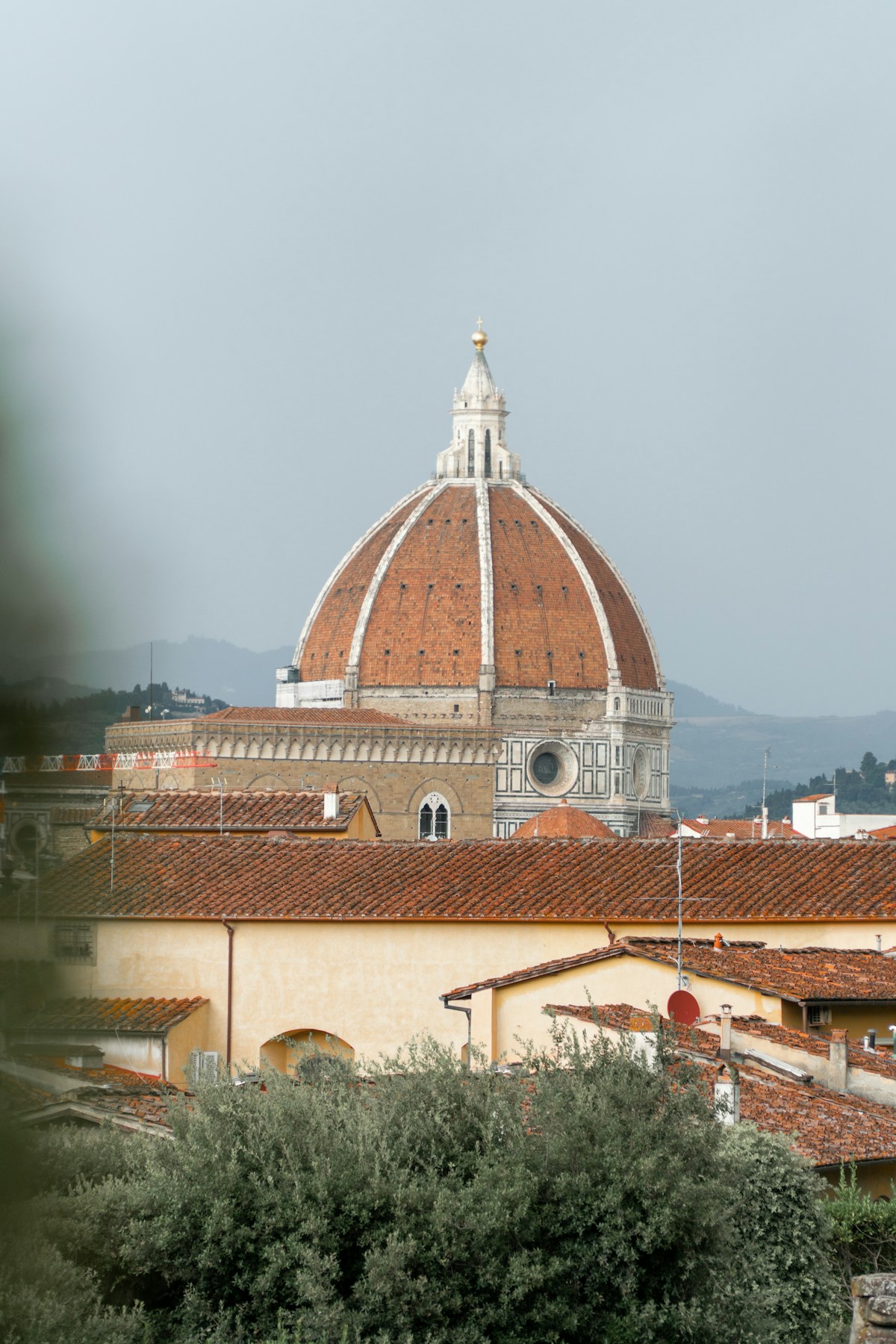
If you are visiting Florence specifically for Calcio Storico, we recommend building at least two or three days into your trip. The city rewards it — the Uffizi Gallery and the Brunelleschi Dome climb are both worth booking in advance, and Florence’s food scene is worth exploring beyond the tourist circuit. Our Florence city guide covers where to stay, eat, and what else the city has to offer alongside the festival week.
For accommodation during match days, book well in advance — hotel availability in central Florence in the third week of June is limited, and prices climb. Our Florence hotels guide covers the best options by location and budget.
For guided tours during the festival week, the Uffizi and Accademia sell out rapidly — book these before you arrive.