Catania packs a lot into a compact, walkable centre: lava-stone Baroque churches, a roaring fish market, Roman ruins in the middle of ordinary streets and the biggest active volcano in Europe on the doorstep. This is our list of what is worth your time. For the wider context, start with our Catania travel guide.
Walk the Baroque centre
Start at Piazza del Duomo, where the lava-stone Elephant Fountain (u Liotru) stands in front of the Cathedral of Sant’Agata. Climb the cathedral’s bell tower or step inside to see the tomb of the composer Vincenzo Bellini, who was born in Catania. Then walk north along Via Etnea, the dead-straight main street that points at the volcano, and finish in the shade of Villa Bellini.
Via Crociferi, a short street west of the centre, holds a row of Baroque churches and Jesuit buildings rebuilt after the 1693 earthquake. It is at its best early in the morning. The wider historic centre belongs to the Late Baroque Towns of the Val di Noto UNESCO listing{target=“_blank”}.
Eat your way through La Pescheria
The La Pescheria fish market behind the cathedral is open mornings, Monday to Saturday. Arrive before 10am to see swordfish, tuna, sea urchins and prawns piled on ice, with stallholders calling out prices in dialect. Fried seafood and arancini counters line the edges, so it doubles as breakfast. A Catania street food and market walking tour is a good way in if you want local explanations and a few tastings.
Roman Theatre, Odeon and the Greco-Roman park
The Parco Archeologico Greco-Romano around the Roman Theatre and the smaller Odeon is one of Sicily’s most unusual ancient sites. Rows of dark lava-stone seating sit directly beside apartment buildings, and the entrance is easy to miss on a residential street. Allow about an hour. Combine it with the nearby underground remains, including the Terme Achilliane, which show how deeply the old city is buried.
Castello Ursino
Castello Ursino is a 13th-century fortress built for Emperor Frederick II. When it was built, the sea reached its walls, but the 1669 Etna lava flow pushed the coastline far away. It now holds the civic museum, with a collection of Greek, Roman and medieval pieces. Allow 45 to 60 minutes, and expect a modest entry fee as of 2026.
Climb Mount Etna
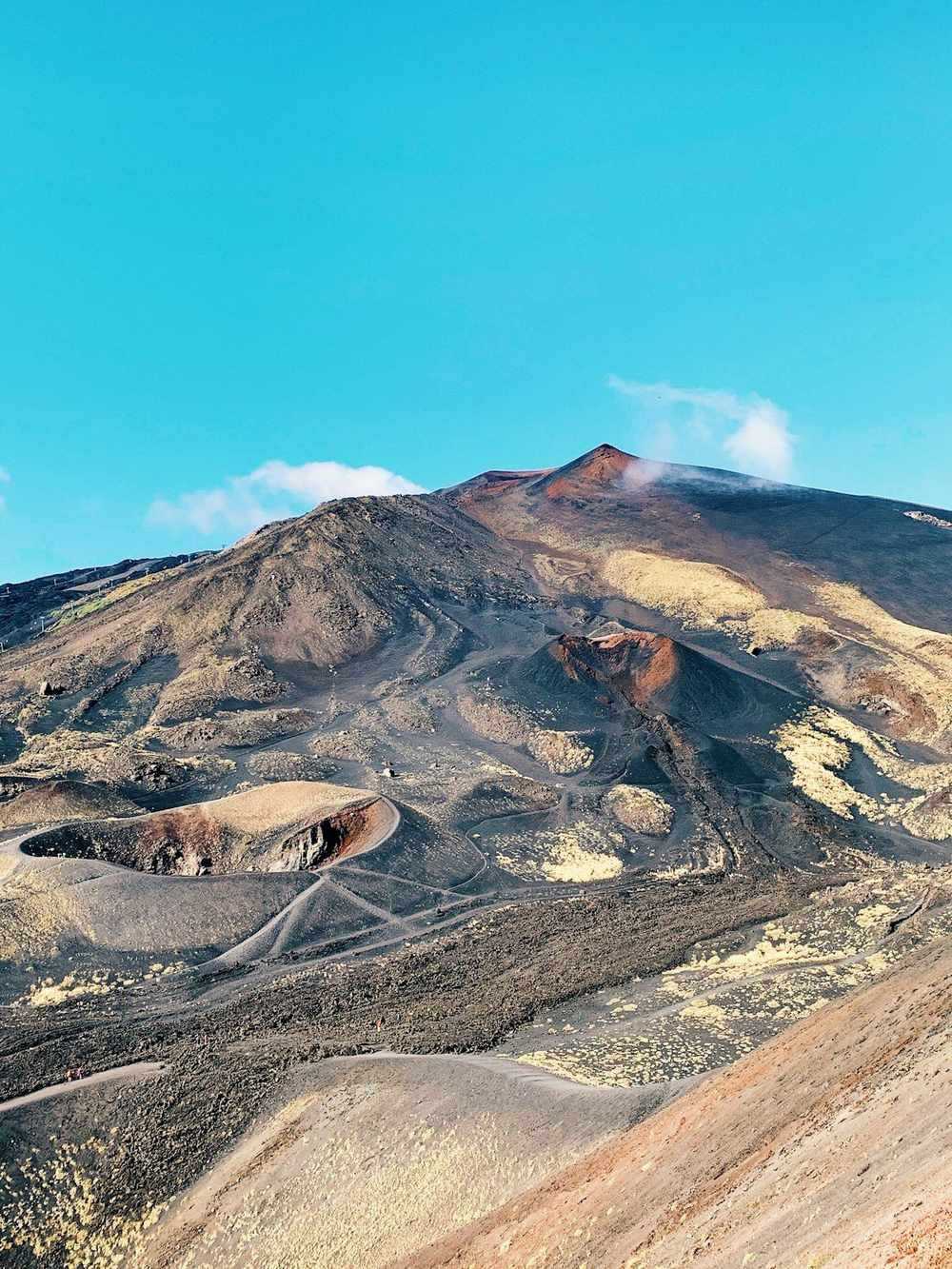
Etna is the single best reason to base yourself in Catania. The volcano reaches roughly 3,350 m, and the south-side route from Rifugio Sapienza (about 1,900 m) is the standard approach. Whether you can reach the highest craters depends on volcanic activity and official restrictions, so go with a guide who tracks conditions.
Options include:
- Half-day excursions to the Silvestri craters, around 4 to 6 hours with transfers.
- Sunrise and sunset trips, which are cooler and have the best light.
- Full-day tours combining Etna with a winery lunch or the Alcantara Gorge.
Compare departures through Catania tours on GetYourGuide. Prices vary by season and itinerary; expect roughly €50 to €100 per person for standard Etna excursions as of 2026. Pack layers and sturdy shoes: it is cold on the summit even in July. If you prefer to travel under your own steam, the Circumetnea narrow-gauge railway runs around the volcano (check the Circumetnea timetable{target=“_blank”}).
Day trips from Catania
Catania is a practical hub for eastern Sicily. Taormina is about an hour away by Interbus or train, with a Greek theatre and sea views. Syracuse and Ortigia are around an hour by train; see our Syracuse tours. For longer routes, our Sicily car rental guide covers pick-up and driving tips.
Where to eat and drink
Try pasta alla Norma, cone-shaped Catanese arancini, cipollina and a granita with brioche. Pistachio treats from Bronte are everywhere. For a deeper guide to the island’s dishes, see our Sicilian food guide.
Practical tips
- Airport: Fontanarossa (CTA) is about 5 km from the centre. See our Catania airport transfer guide.
- Where to stay: our where to stay in Catania guide covers neighbourhoods, and the long-stay guide covers monthly rentals.
- Timing: spring and autumn are best. July and August are very hot.
- Safety: watch for pickpockets in the market and on buses.