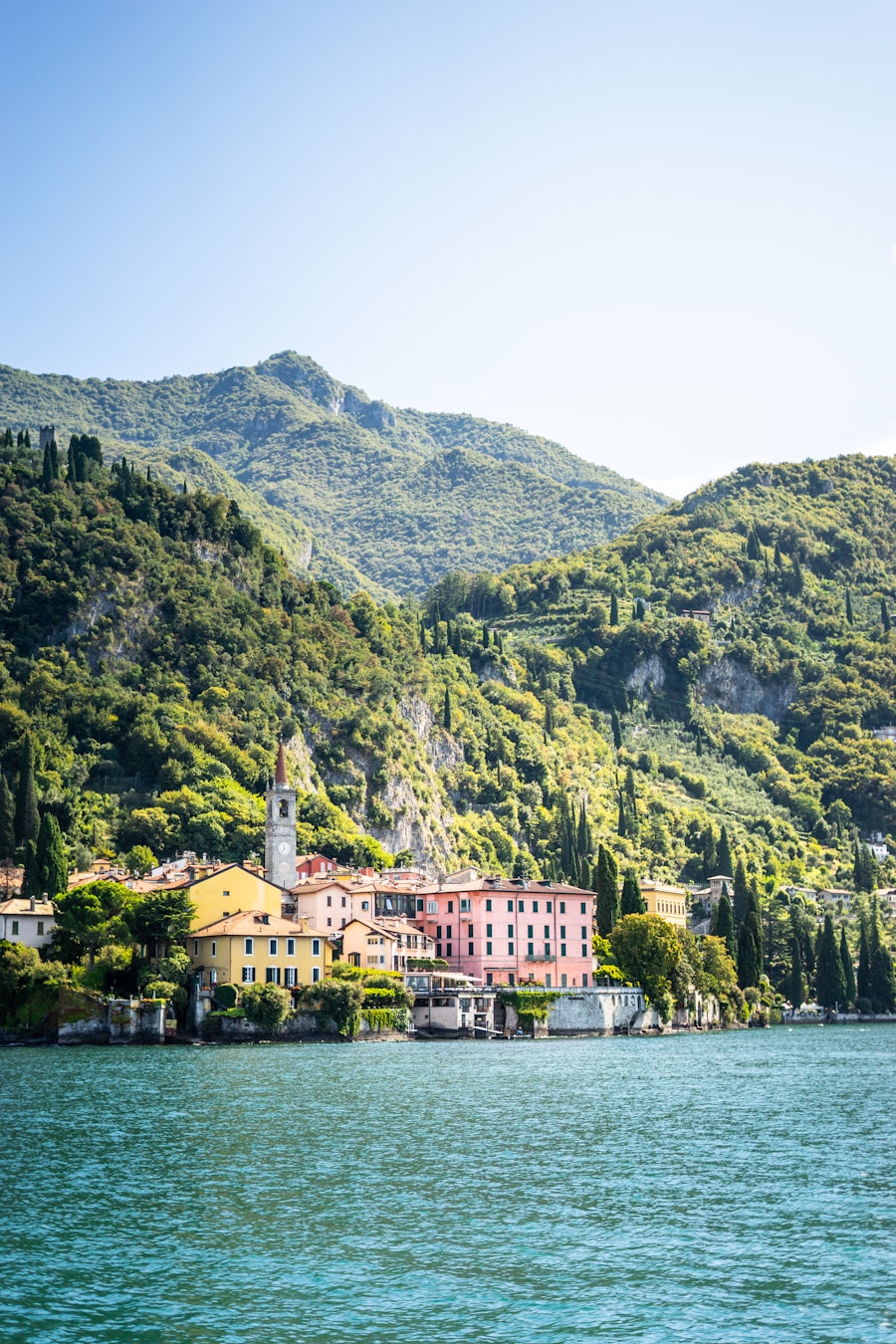
Italy’s Lake District - a band of glacial lakes running from Lake Maggiore in the west to Lake Garda in the east - is one of the most popular holiday regions in northern Europe. Each lake has a distinct character, price point, and type of visitor.
Search Italian Lakes hotels on Booking.com to compare prices and check availability across all areas in this guide.
Choosing a Lake
Lake Como - the most dramatic and most famous. Steep, narrow, and deep (410m), with the Alps rising from the water’s edge. The most expensive lake for accommodation. Suited to those who want scenery, history (villas and gardens), and a sophisticated atmosphere.
Lake Garda - Italy’s largest lake and the most varied. The northern end is Alpine in character (Riva del Garda, Torbole - excellent for windsurfing and hiking); the southern end is flatter and warmer (Sirmione, Peschiera). Family-friendly. Better transport connections than Como or Maggiore. More accessible price range.
Lake Maggiore - between Como and the Swiss border, with the Borromean Islands (Isola Bella, Isola Madre) as its centrepiece. Quieter than Como, slightly less dramatic. Stresa is the main resort. Strong Swiss influence in the northern section.
Lake Iseo - the least visited of the four major lakes, between Bergamo and Brescia. Monte Isola (the lake island, car-free and accessible by ferry) is the main attraction. More authentic Italian summer holiday atmosphere and significantly lower prices than Como or Garda.
Lake Orta - small, far less visited, with a medieval island (San Giulio) and a Baroque sanctuary (Sacro Monte) above the lake. Western Piedmont; the closest lake to Turin.
Budget Guide by Lake
Lake Como
Very expensive. Budget accommodation is limited and often poor quality at the price.
- €120–200/night: guesthouses and small hotels in Como town or Menaggio
- €200–350/night: mid-range hotels with lake views in Varenna, Bellagio
- €350–600/night: boutique historic hotels (Hotel du Lac Varenna, Hotel Bellagio)
- €600+: Grand Hotel Tremezzo, Villa d’Este (Cernobbio), Villa Serbelloni (Bellagio)
Best value position: Varenna (eastern shore, ferry-connected, more authentic than Bellagio).
Lake Garda
More varied pricing - the northern end is cheaper than the southern resort towns.
- €70–130/night: guesthouses in Riva del Garda, Malcesine, Torri del Benaco
- €130–250/night: boutique lake-view hotels on the western shore
- €250–500/night: grand hotels and villa properties (Grand Hotel Fasano, Hotel Lefay Gargnano)
- €500+: ultra-luxury on the western shore
Best value position: eastern shore (Malcesine, Torri del Benaco) or northern tip (Riva del Garda).
Lake Maggiore
Mid-range overall; the central-western location (Stresa, Verbania) is pricier.
- €80–140/night: guesthouses in Stresa and Verbania
- €140–280/night: lakefront hotels with Borromean Island views
- €280–500/night: historic hotels (Grand Hotel des Iles Borromées, Stresa)
Lake Iseo and Lake Orta
The most affordable of the Italian lakes. Genuine local character.
- Lake Iseo: €60–130/night for comfortable mid-range options; Monte Isola is car-free and peaceful
- Lake Orta: €70–150/night in Orta San Giulio, a medieval village on the lake
When to Go
April–May: Ideal - flowers, gardens open, crowds manageable, prices pre-peak. June: Good but prices rising fast and crowds building. July–August: Peak season. Accommodation must be booked months ahead; prices at maximum. Ferries crowded; lake road traffic significant. September–October: Excellent - warm water, autumn colours, manageable crowds, lower prices. November–March: Many hotels closed (especially smaller properties on Como and Maggiore); the open hotels are substantially cheaper.
Plan your trip:
- Browse boat tours and day trips on Lake Como
- Book a hire car for exploring the lake villages
- Get travel insurance before you book
- Pick up an eSIM for Italy
- Search hotels in the Italian Lakes on Booking.com
Getting There
Lake Como: Train from Milan Cadorna to Como San Giovanni (40 minutes). From Como, ferry to all lake towns. Lake Garda: Train from Milan or Verona to Peschiera or Desenzano (southern lake). Bus from Rovereto to Riva del Garda (northern lake). Lake Maggiore: Train from Milan Centrale to Stresa (50 minutes). Lake Iseo: Train from Bergamo or Brescia to Iseo town; ferry to Monte Isola.
For lake-specific guides: Lake Como travel guide and Lake Garda guide each have their own hub pages with things to do, day trips, and hotel recommendations. Comparing the two lakes? Our Lake Como vs Lake Garda guide sets out the differences for different types of trip. For connecting the lakes with city visits, our northern Italy itinerary routes Milan, Lake Como, Verona, and Venice in 10 days. For things to do beyond the lakefront: day trips from Lake Como and day trips from Lake Garda.
Ready to Plan Your Trip?
See our itineraries for inspiration:
- Northern Italy Itinerary - lakes, cities, and the Dolomites
- 10-Day Family Italy Itinerary - ten days through Rome, the Amalfi Coast, Florence, and Lake Garda
- 2 Weeks in Italy - the ultimate two-week Italian itinerary
- 3 Weeks in Italy - the north-to-south grand tour from Milan to Sicily