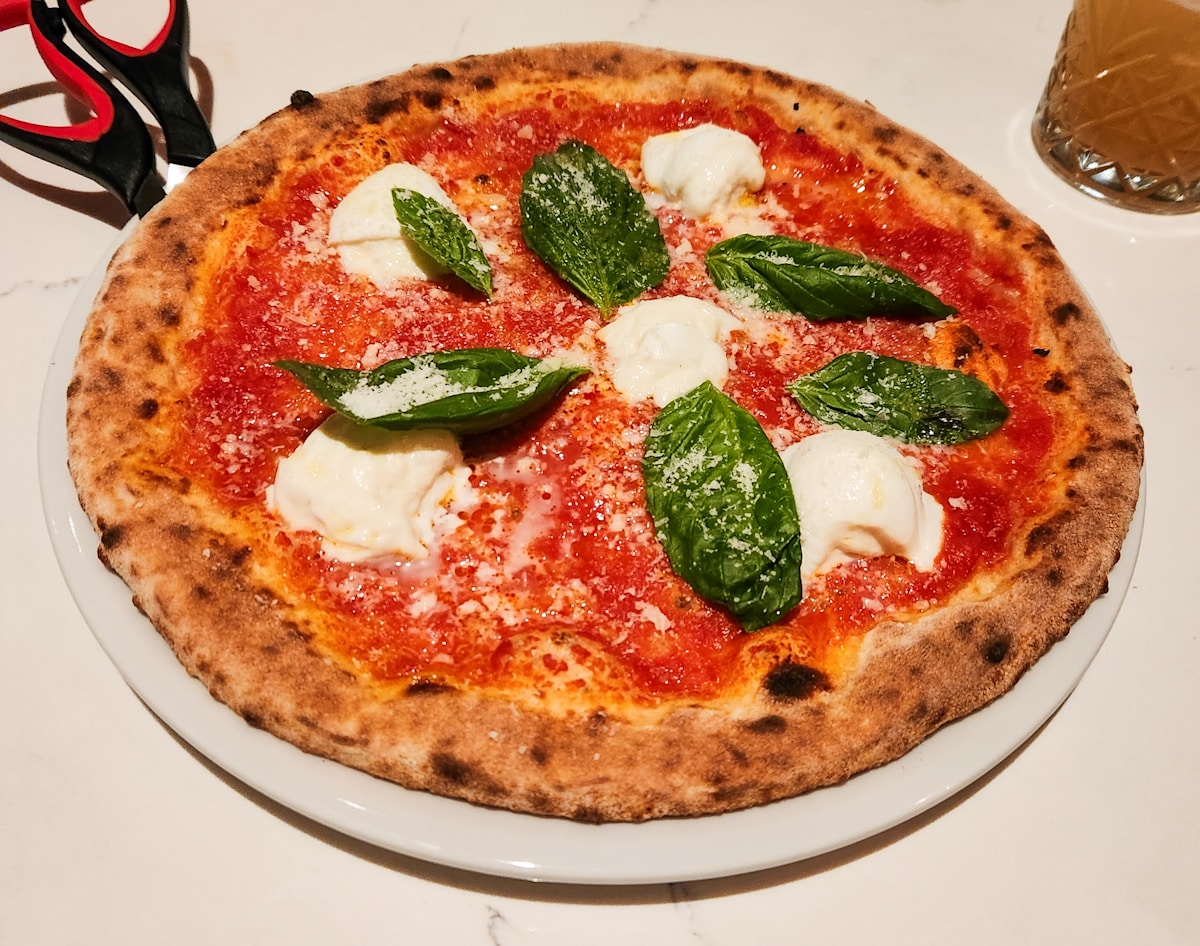
Calabria is one of the least-visited regions of Italy, and its food culture has developed in relative isolation from the northern Italian trends that dominate Italian food outside Italy. What you find in Tropea is not a diluted version of something from elsewhere — it’s a direct expression of what grows and is raised here: chillies, pork, Tyrrhenian fish, sweet red onions, and strong, green-gold olive oil from ancient groves in the hills behind the coast.
The cuisine is not subtle. Nduja is intensely spiced; the local chillies are used with purpose; the fish is grilled simply over high heat. It suits the direct, sun-saturated character of the Calabrian coast.
Cipolla Rossa di Tropea
The sweet red onion (cipolla rossa di Tropea IGP) appears in some form at almost every meal in and around Tropea. The IGP protection covers onions grown in a specific coastal zone between Briatico and Nicotera — the combination of sandy soil, sea exposure, and local microclimate produces an onion with very low pyruvic acid content, making it mild and sweet rather than sharp.
On restaurant menus, expect to find it as bruschetta con cipolla rossa (grilled bread with sliced raw onion, olive oil, and herbs), as a pizza topping, and in insalata di cipolle — a simple salad of sliced raw onion, good olive oil, and fresh herbs that works as a side dish. Mostarda di cipolla rossa (sweet-sharp onion jam) appears as a condiment with cheese and as a spread on crostini.
Buy fresh onions at the Mercato Coperto (Largo Galluppi, mornings only) for approximately €2 per bunch as of 2026.
Nduja
Nduja (pronounced roughly “en-DOO-ya”) is spreadable salumi made from fatty pork mixed with a high proportion of Calabrian red chilli — the ratio of pork to chilli is approximately 3:1 in traditional recipes. It comes from Spilinga, a hill town approximately 30km inland from Tropea, and is the Calabrian product with the most international recognition.
It’s sold in jars, in sausage casings, and sometimes loose from the deli counter. The flavour is intensely savoury and deeply spiced — not just hot but complex with the character of the Calabrian peperoncino. On a restaurant menu it appears as a pizza topping, stirred into pasta sauce, and in pasta con nduja e stracciatella — a particularly good combination where the fat and spice of the nduja is cut by the mild, fresh cheese.
A 200g jar from a salumeria costs approximately €8–12 as of 2026; from the Mercato Coperto, prices are slightly lower and quality slightly higher.
Pesce Spada (Swordfish)
The Tyrrhenian Sea off Calabria produces swordfish from June through September, and pesce spada is a constant on seafood restaurant menus during this period. It’s prepared simply: grilled as steaks, or more elaborately as involtini di pesce spada — thin swordfish slices rolled around a filling of breadcrumbs, capers, pine nuts, and herbs.
A grilled swordfish main course costs approximately €16–22 at a seafood restaurant in Tropea as of 2026. The quality depends on freshness — a fish bought that morning from the Vibo Marina market (approximately 15km south) is different from one that has sat in a refrigerator for three days. Asking a restaurant where the fish is from is a reasonable question, and a kitchen that sources locally will usually be happy to say so.
Polpo alla Calabrese
Polpo alla calabrese (Calabrian octopus) is braised in tomato sauce with local chilli and olive oil. The octopus is first tenderised (traditionally by beating against rocks or similar), then slow-cooked until completely soft. The resulting dish has a deep, slightly sweet-and-spicy character from the combination of ripe tomato, Calabrian peperoncino, and the octopus’s own juices.
It’s a trattoria staple around Tropea and appears as either an antipasto or a main course depending on portion size, at approximately €14–18 as of 2026.
Ricotta and Local Cheese
Sheep farming is significant in the Calabrian interior, and fresh sheep’s milk ricotta is produced throughout the province. Eaten on its own with local honey as a simple dessert — or with figs, which grow extensively in the coastal hills — it’s one of the most direct representations of what the land here produces.
Pitta ‘mpigliata is the traditional Calabrian pastry most associated with the Christmas period: dried figs, raisins, honey, and mixed nuts enclosed in a pastry roll. Despite its seasonal origins, pastry shops in Tropea tend to sell versions year-round to meet tourist demand. It’s dense, very sweet, and worth trying as a single piece rather than a full portion.
Granita
The granita tradition in southern Calabria is influenced by proximity to Sicily (Messina is visible on clear days from the Tropea cliff). Granita di limone and granita di mandorla (almond) are the most common. At Pasticceria Gioiosa (Via Ruga Marina), the lemon granita has local admirers — the lemons come from coastal groves in the area.
A granita at a bar in Tropea costs approximately €2.50–3.50 as of 2026, typically served with a brioche for breakfast in proper Sicilian-Calabrian fashion.
Restaurants
Ristorante La Musa del Gusto (Via Scuola dei Cappuccini) serves Calabrian specialities in a setting in the old town — a reliable option for a full meal centred on local ingredients, with antipasti of nduja, ‘nduja-stuffed peppers, and cipolla dishes, followed by local fish or pasta. Budget approximately €25–40 per person as of 2026.
For cheaper, faster options, the tavernas along Via Roma in the old town serve lunch plates of pasta, bruschetta, and local cold cuts for approximately €12–18 per person. These are best at lunch; quality and value both decline toward evening when tourist demand is highest.
Practical Notes
Olive oil from the Calabrian hills is among the best in Italy — look for single-estate bottles labelled “extravergine di oliva DOP Calabria” in delis and the Mercato Coperto. A 500ml bottle from a small producer costs approximately €8–14 as of 2026 and travels well.
Calabrian wine is less well-known than the food, but the Cirò DOC (from vineyards on the Ionian coast, about 150km away) produces good Gaglioppo-based reds that pair well with the spiced local dishes. Ask for it at restaurants as the local wine option.
Where to stay in Tropea: Find hotels in Tropea — search accommodation across all budgets.