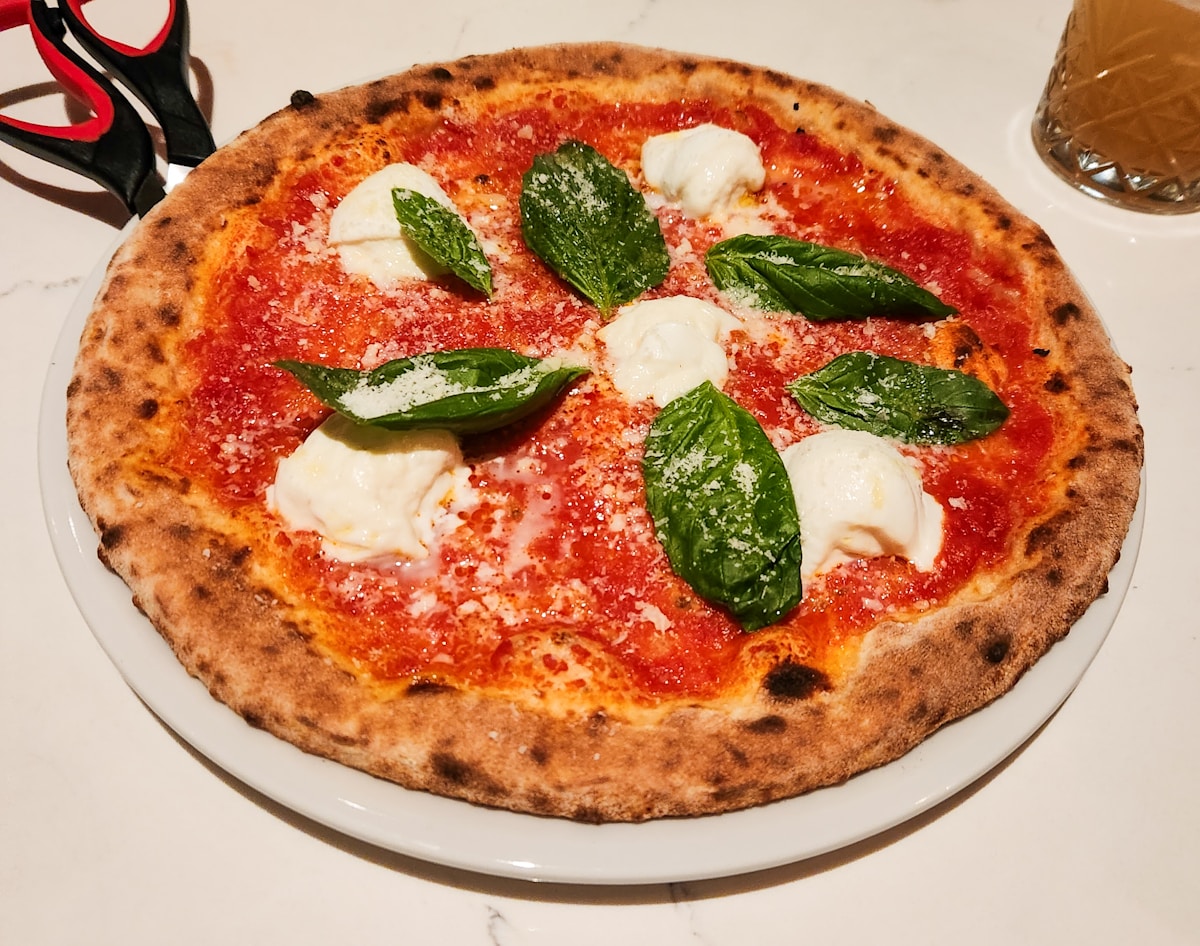
Spoleto is in the Valnerina corridor of Umbria — 30km from Norcia, the town that gave its name to the Italian trade of pork butchery (norcineria), and within easy reach of Castelluccio, where Italy’s most prized lentil is grown. The food here is direct and ingredient-driven: black truffle shaved over hand-rolled pasta, cured pork from mountain-raised pigs, earthy legumes cooked with local sausage, and Sagrantino wine made from a grape variety found almost nowhere else in the world.
This is not a cuisine of elaborate technique. It is one of specificity — ingredients sourced within a narrow radius, prepared simply. Below are the dishes and products most worth seeking out during a visit to Spoleto.
Tartufo Nero di Norcia
The black truffle of Norcia and Spoleto (Tuber melanosporum) is not the same price proposition as Alba’s white truffle. Fresh winter truffles (December–February) sell for approximately €200–400 per kg at specialist shops in Spoleto and Norcia — still a significant amount, but affordable enough that truffle dishes appear across restaurant menus at accessible prices rather than as exceptional supplements.
The main restaurant forms:
Spaghetti o strangozzi al tartufo nero — pasta dressed with grated or shaved black truffle, garlic, olive oil, and sometimes a small amount of anchovy for depth. The truffle flavour is earthy, intense, and unmistakably different from truffle oil. Approximately €16–22 at most trattorias.
Bruschetta al tartufo — grilled bread spread with black truffle paste (a mixture of minced truffle, olive oil, and anchovy). Served as an antipasto or snack at bars and kiosks. Approximately €6–10 depending on the quality of the paste.
Uova al tartufo — scrambled eggs with shaved or grated truffle. A classic central Italian way to appreciate truffle flavour without other strong competing ingredients. Available at traditional trattorias as a breakfast or light lunch dish. Less common on evening menus.
For dried products to take home, the norcinerie around Piazza del Mercato in Spoleto stock vacuum-packed truffle paste, sliced truffle in oil, and dried whole truffles. Quality varies considerably — ask to smell before buying.
Strangozzi
Strangozzi is Umbria’s most characteristic pasta — a thick, hand-rolled strand made from flour and water (no egg), with an irregular cross-section that holds sauce in its rough texture. The name’s etymology is disputed, but the pasta is unambiguously Umbrian and appears on virtually every trattoria menu in Spoleto.
The two classic preparations here are al tartufo nero (black truffle, garlic, olive oil — see above) and con ragù di cinghiale (wild boar ragù, slow-cooked with red wine, rosemary, and juniper). The boar ragù version is the more robust option — good for lunch before an afternoon of walking. Expect to pay approximately €12–18 for a full portion. Some restaurants offer strangozzi with a simpler duck ragù (ragù d’anatra) or with aglione, the large mild garlic of the Valdichiana.
Norcia Pork Products
Norcia (30km east of Spoleto) is the historical centre of Umbrian pork butchery, and the tradition has been designated IGP for its most prized product. The key items:
Prosciutto di Norcia IGP — cured ham made from pigs raised in the Apennine hill farms. It is aged at altitude (minimum 900m) for at least 12 months. The result is firmer, nuttier, and more rustic in character than Parma or San Daniele. Sliced to order at a norcineria, it is best eaten on bread with minimal accompaniment.
Lonza and capocollo — cured cuts from the neck and loin of the pig. Lonza (loin) is lean and delicate; capocollo (neck) has more fat and a richer flavour. Both are dried slowly and sliced thin.
Mazzafegati — one of the more unusual products of the Norcia tradition: a liver sausage flavoured with pine nuts, sultanas, orange peel, and sometimes sugar. The combination sounds improbable but the result is subtly sweet and complex, best eaten grilled or fried. Not widely available outside Umbria; look for it specifically at norcinerie in Spoleto’s old town.
You can buy all of the above at the norcinerie around Piazza del Mercato in Spoleto, as well as from specialist shops near the Duomo. Many of these shops also ship vacuum-packed products across Italy and the EU.
Lenticchie di Castelluccio di Norcia IGP
The Piano Grande plateau, about 45km east of Spoleto at an altitude of approximately 1,400 metres, produces one of Italy’s most celebrated lentils. The Castelluccio lentil is small, thin-skinned, and cooks quickly without pre-soaking. Its earthy, slightly sweet flavour is more complex than most commercial lentils.
In Spoleto restaurants, it appears primarily as zuppa di lenticchie — a simple lentil soup cooked with local sausage, rosemary, and olive oil. This is a dish of the autumn and winter menu. Approximately €8–12. It is also available dried in 500g packets at delicatessen shops and norcinerie, approximately €5–8 per packet, and makes a practical and lightweight thing to bring home.
Sagrantino di Montefalco DOCG
Sagrantino is a red grape variety grown exclusively in the small zone around Montefalco, 16km north of Spoleto. The wine is among the most tannic produced anywhere in Italy — its tannin levels typically exceed Barolo or Brunello — and requires either significant bottle age (5–10 years from a good producer) or careful food pairing to show well. With wild boar ragù, slow-roasted pork, or strong Norcia cured meats, it integrates well. Restaurant bottles run approximately €35–60; cellar-door prices in Montefalco are meaningfully lower.
The Passito version of Sagrantino (made from partially dried grapes) is a sweet red wine with an intense concentration of dried fruit, liquorice, and dark chocolate — drink it with aged pecorino or after a meal. If you are buying, look for producers Paolo Bea, Arnaldo Caprai, and Antonelli San Marco. All three have reliable visitor facilities in Montefalco.
Rosso di Montefalco DOC (the same zone, blended with Sangiovese and Merlot) is earlier-drinking, less tannic, and more versatile at a restaurant table. Approximately €20–40 per bottle at a restaurant; significantly less at the cantina.
Torta al Testo
The torta al testo is Umbria’s version of a grilled flatbread — cooked on a heavy stone or iron griddle (the testo) until it puffs and chars slightly. It is thicker and more substantial than a Romagnan piadina. In Spoleto, street kiosks near Piazza della Libertà and along Corso Mazzini sell them stuffed with combinations of prosciutto crudo, stracchino cheese, and rocket; with local salumi; or (more unusually) with Norcia sausage and grilled vegetables. Approximately €4–7 for a half torta with filling — a practical and cheap lunch option.
Where to Eat in Spoleto
Osteria del Trivio (Via del Trivio 16) — a reliable choice for strangozzi al tartufo and seasonal Umbrian dishes. Expect to pay approximately €25–40 per person including wine. Book ahead for dinner, especially in festival season.
Trattoria del Festival (Vico dell’Anfiteatro, near the Roman Theatre) — simpler, cheaper, and useful for a lunch before or after the Teatro Romano. Umbrian pasta, grilled meats, local wine by the carafe. Approximately €20–30 per person.
Both close on at least one weekday — check current schedules on arrival. In general, Spoleto restaurants keep traditional hours: lunch 12:30–14:30, dinner 19:30–22:00. Kitchen closes promptly.
Where to stay in Spoleto: Find hotels in Spoleto — search accommodation across all budgets.