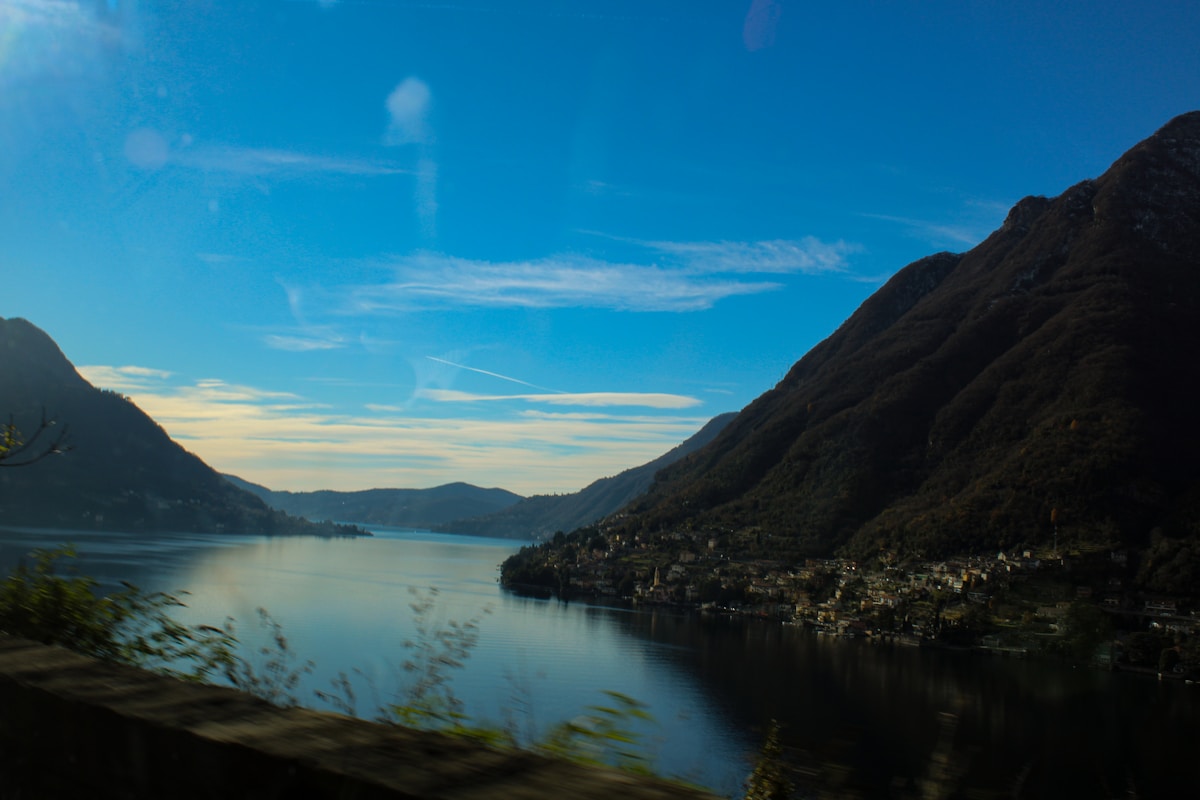
Merano’s position in the upper Adige valley makes it a natural base for exploring both directions: west up the Val Venosta (Vinschgau) towards the Austrian border and the Stelvio National Park, or east down to Bolzano and the broader South Tyrol transport network. Most day trips here are manageable by train and bus for the valley routes, while the higher mountain destinations generally require a car.
All transport times and costs below are as of 2026.
Bolzano — 40 Minutes by Train
The most straightforward day trip from Merano. Trains between Merano and Bolzano run approximately every 30 minutes and take 40 minutes; return tickets cost approximately €5–8 depending on the time of day. Bolzano is covered in full in our separate city guide, but the main draws are:
The South Tyrol Museum of Archaeology (Via Museo 43): home to Ötzi the Iceman — the world’s oldest natural human mummy, a 5,300-year-old man discovered in a glacier in 1991. Entry approximately €13. This is a genuinely exceptional museum and the reason many people visit Bolzano.
Via dei Portici: Bolzano’s medieval arcaded shopping street, with delis selling speck and Alpine cheese, wine merchants, and the central Piazza Walther beyond. Castel Roncolo (3km north): a 13th-century castle with the world’s best-preserved collection of secular medieval frescoes — courtly love scenes and Arthurian legend cycles dating from around 1390. Entry approximately €8.
An early train allows arrival in Bolzano before 09:30, time for the museum and the castle, and a comfortable return by early evening.
Val Venosta (Vinschgau) — Glorenza and the Apple Road
The valley west of Merano follows the Adige/Etsch river upstream towards the Austrian border, passing continuously through South Tyrol’s most important apple-growing region. The Vinschgau railway (Vinschgerbahn) runs the entire length of the valley from Merano to Mals/Malles Venosta — a useful and scenic journey even if you do not have specific stops in mind.
Glorenza/Glurns (50km west, approximately 45 minutes by train to Spondigna then bus, or 45 minutes direct by car) is one of the most unusual small towns in northern Italy: a medieval walled city enclosing a population of fewer than 1,000 people. The 16th-century walls — three gate towers, complete circuits of battlements, and corner turrets — are remarkably intact, having never been significantly rebuilt or restored. The interior of the walls contains a complete medieval street grid with arcaded streets, a central square, and the Gothic church of San Pancrazio. Entry to the town is free; it is a quiet, unhurried place to walk around. Allow 1–2 hours.
The apple orchards: the entire valley floor between Merano and Glorenza is covered with apple orchards in carefully managed rows. In late March and early April, the simultaneous blossoming of thousands of apple trees is one of the most striking seasonal landscapes in the Alps — the white and pink flowers extending across the valley floor with the snowed mountains above.
Castel Tirolo Circuit and Nearby Castles
The concentrated medieval castle-building of South Tyrol’s aristocratic past means that the hills around Merano hold an unusually large number of castles within a short drive. A half-day driving circuit from Merano can take in three or four with minimal distance.
Castel Tirolo (4km north): the castle that gave the historical region its name, now operating as the South Tyrol Museum of History. The hilltop position (550m) and the quality of the museum make this the primary castle destination in the area. Entry approximately €9.
Castel Fontana (near Lagundo/Algund, 5km west): a 13th-century tower house set among vineyards, smaller than Castel Tirolo and not a museum, but with a well-preserved exterior and vineyard views.
Castel Rametz (2km from Merano centre, accessible on foot): a 12th-century round tower that is now part of a working wine estate. The Rametz estate produces Alto Adige DOC wines and offers tastings by appointment; the castle courtyard setting is pleasant. Check their website for current tasting availability.
A car is most convenient for linking these, though Castel Tirolo is reachable by bus (line 235 from Merano, approximately 20 minutes).
Lake Resia (Reschenpass) — 60km West by Car
Lake Resia sits at 1,498m above sea level on the Austrian border at the top of the Val Venosta — one of the most dramatically positioned high-altitude lakes in the Alps. The lake was created in 1950 when a dam raised the water level of the existing natural lakes, flooding the villages of Curon/Graun and Reschensee. The inhabitants were resettled on higher ground, but the 14th-century Gothic church tower of the original village of Curon was left standing as the lake rose — and it remains there today, rising from the surface of the lake as one of the most photographed and most strange sights in northern Italy.
In summer, a floating footbridge allows visitors to walk to the base of the tower (the interior is not accessible). In winter, when the lake surface freezes partially (typically January and February), the tower is accessible on foot across the ice — the combination of the medieval structure rising from a frozen lake against a backdrop of snow-covered mountains is particularly striking.
The drive from Merano to Lake Resia follows the SS38 Val Venosta road the entire way — scenic throughout, passing through the orchards and vine terraces of the Vinschgau. Approximate driving time: 1 hour each way. Free access to the lakeshore and tower footbridge. Small car parks near the Curon village (above the lake) charge approximately €3–5 for the day. A handful of restaurants and a bar serve food at the lakeside.
Stelvio National Park — Val Martello Approach
The Stelvio National Park is the largest protected area in the Alps, covering 135,000 hectares of high mountains across South Tyrol, Lombardy, and Trentino. The approach most practical from Merano is via the Val Martello (Martell valley): turn south off the SS38 at Goldrain/Coldrano (approximately 40km from Merano), then follow the valley road to the Martell dam and the Zufrittensee reservoir (end of the driveable road, approximately 20km from the SS38 junction).
The valley floor is flanked by steep glaciated peaks; the reservoir setting at the valley head is impressive. Short hiking trails lead from the car park near the Zufrittensee. The valley is particularly quiet mid-week outside peak season (July–August). Driving time from Merano approximately 1 hour.
Passo dello Stelvio: if you are visiting by car in summer (typically June to October, depending on snow clearance), the Stelvio Pass road (2,757m) is accessible from the Val Venosta junction at Spondigna — approximately 1h30 from Merano. One of the highest paved roads in Europe, with 48 hairpin bends on the southern approach and panoramic views across the Ortler massif. Not a destination in itself but an extraordinary drive. The pass often has significant traffic in July and August; early morning departure (before 08:00) avoids the worst of it.
Brixen/Bressanone — 1 Hour East by Train via Bolzano
Brixen (Bressanone in Italian) is the oldest city in South Tyrol, first mentioned in documents in 901 AD and the seat of a powerful bishop-prince for much of the medieval period. It lies 50km east of Merano, most practically reached by train to Bolzano (40 minutes) then onward to Brixen (20 minutes further); the total journey is approximately 1 hour with a connection.
The main attraction is the Duomo (Cathedral of the Assumption of Mary): the current structure is largely Baroque (rebuilt in the 17th century) but the adjacent Romanesque cloister is older and better, with a cycle of 15th-century frescoes covering the vaulted ceilings in excellent condition. Entry to the cathedral and cloister is free. The Cathedral Treasury holds the finest collection of medieval ecclesiastical objects in South Tyrol (entry approximately €5).
The historic centre of Brixen is quieter and less tourist-oriented than Bolzano — a good choice if you want to experience a South Tyrolean city with fewer visitors. Return train to Merano via Bolzano takes approximately 1 hour.
Where to stay in Merano: Find hotels in Merano — search accommodation across all budgets.