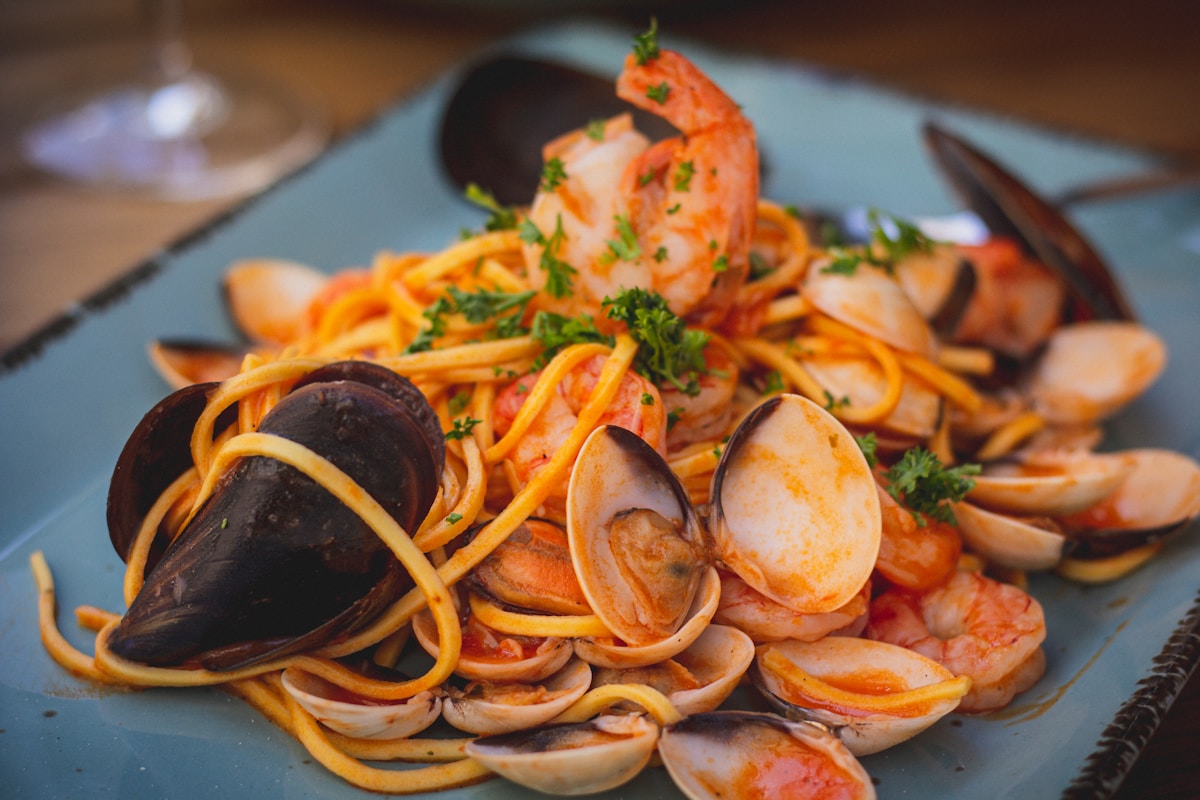
Capri’s cooking is rooted in the same Campanian tradition that produces Naples’ pizza and the Amalfi Coast’s seafood, but the island adds its own ingredients and dishes: a specific style of ravioli, a flourless chocolate cake, and a proximity to some of the finest seafood in the Tyrrhenian Sea. Eating well here does not require going to the most expensive restaurants - the best flavours often come from smaller trattorias, delis, and bakeries where locals eat.
Top Tours at a Glance
| Tour | Duration | Price (from) | Group Size | Highlights |
|---|---|---|---|---|
| Capri island boat tour with Blue Grotto | 8 hrs | from €85 | Up to 15 | Faraglioni, sea caves, circumnavigation, swimming stop |
| Capri food and wine tasting experience | 2.5 hrs | from €65 | Up to 10 | Ravioli tasting, torta caprese, local limoncello |
| Capri walking tour with local guide | 2 hrs | from €40 | Up to 12 | Piazzetta, Villa Jovis history, cliff viewpoints |
| Anacapri half-day tour with chairlift | 3.5 hrs | from €50 | Up to 14 | Monte Solaro chairlift, Villa San Michele, tastings |
Browse all Capri tours → GetYourGuide
Ravioli alla Caprese
The island’s signature pasta, and the first thing to order. The filling is made from caciotta di capra - a soft, mild goat’s milk cheese produced locally - combined with marjoram, the herb that grows in abundance on Capri’s rocky hillsides. The pasta is dressed simply: usually with a light tomato sauce, or with melted butter and fresh basil. The combination is delicate and herbaceous, quite unlike the heavier cheese-filled pastas of northern Italy.
The best versions are made fresh each morning. You will find ravioli alla Caprese on virtually every restaurant menu - a sign that it is expected rather than exceptional. The places that do it best tend to be the ones where pasta-making is visible, or where the menu is short and focused. Look for it at Da Paolino, Ristorante Il Geranio, and most trattorias in the back streets of Capri town.
Insalata Caprese
The Caprese salad originated here, most likely in the 1920s, though its exact history is contested. The combination - ripe tomatoes, buffalo mozzarella, fresh basil, a drizzle of good olive oil - sounds simple because it is. The key is ingredient quality, and on Capri those ingredients are taken seriously.
The tomatoes are Campanian: fleshy, acidic, and sweet in a way that good Italian tomatoes are. The mozzarella is buffalo milk from Caserta or the plains south of Naples - properly elastic with a clean, milky centre. At a good restaurant a Caprese costs approximately €14–18 as of 2026. It is one of those dishes where the tourist version and the real version taste genuinely different.
Totani e Patate
Flying squid slow-cooked with potatoes, cherry tomatoes, white wine, and herbs. This is a Neapolitan working-class dish that migrated to Capri along with the fishing community. The squid (totani, slightly tougher than calamari) breaks down during cooking and its ink and juices colour the potatoes a pale ochre. The result is earthy, rich, and deeply savoury - the antithesis of the island’s more elegant cooking.
It appears on menus at Marina Grande more often than in Capri town, which reflects its origins: fishing-community food, eaten close to the water. Expect to pay approximately €16–20 as of 2026 at a trattoria.
Seafood Pasta
The proximity to the Tyrrhenian Sea means that the catch is good: prawns (gamberi), sea bass (spigola), red mullet (triglia), John Dory (San Pietro), and clams (vongole) appear across menus. The most reliable pasta orders are:
- Spaghetti alle vongole - clams in white wine, olive oil, garlic, parsley. The version served in Naples and on the islands is almost always made with vongole verace (carpet shell clams) rather than the smaller varieties; the difference in flavour is significant.
- Linguine al cartoccio - pasta sealed inside a paper parcel with clams, mussels, cherry tomatoes, and olive oil, then baked in the oven. The steam cooking concentrates the flavours and the parcel is opened at the table.
- Mezze maniche allo scorfano - pasta with scorpionfish, a bony but intensely flavoured red fish whose cooking liquor makes an exceptional sauce.
Portions are generous. A pasta with seafood at a mid-range restaurant costs approximately €18–26 as of 2026.
Torta Caprese
The island’s most famous dessert: a flourless cake made with dark chocolate and coarsely ground almonds, with a dense, fudgy interior and a slightly cracked surface. Naturally gluten-free. The recipe is said to date from the 1920s, when a confectioner allegedly forgot to add flour to a chocolate cake and found the result superior to what he had intended.
Modern versions add lemon zest, rum, orange peel, or espresso - but the original plain version is the standard. At a good pasticceria (bakery-confectioner) it costs approximately €4–6 per slice as of 2026. Supermarket versions in vacuum-sealed bags are sold across the island; these are usable for gifts but substantially inferior in texture to freshly baked.
Caprese Bread and Baked Goods
Less famous than the island’s pasta and cakes, Capri’s bakeries produce excellent daily bread and a range of sweet pastries. The morning pastry most worth seeking is the sfogliatella caprese - similar to the Neapolitan ricotta-filled sfogliatella but slightly different in folding and filling. Most bakeries in Capri town open by 7am and sell out of the best items by mid-morning.
Limoncello and Local Drinks
The Amalfi Coast and the islands around the Bay of Naples grow sfusato Amalfitano lemons - a DOP-protected variety with a thick, oil-rich rind and an intensely aromatic quality unlike the standard supermarket lemon. Limoncello made from these lemons is the obvious take-home purchase from the island.
The production method is straightforward: lemon zest steeped in pure alcohol, then sweetened with water and sugar. The best versions use a higher ratio of zest and are served very cold - ideally from the freezer. On Capri, look for Limoncello di Capri (a reliable commercial brand) or smaller producers who sell in the delis around Via le Botteghe. Prices start at approximately €8–12 for a 500ml bottle as of 2026.
The island’s wine is scarce - there are a few producers, but production is tiny. Most restaurants serve wine from the Campi Flegrei and the rest of Campania: Fiano di Avellino and Greco di Tufo (whites) are particularly good with seafood. House wine at a trattoria costs approximately €8–14 per litre carafe as of 2026.
Gelato and Granita
The gelaterie in Capri town are reliable - the island’s tourist trade means there is competitive pressure to maintain standards. Lemon gelato is the obvious choice (using local sfusato zest), but pistachio from Sicilian nuts and fior di latte (cream without egg yolks) are worth trying. A gelato costs approximately €3–4 per scoop as of 2026.
Granita di limone - shaved ice with lemon syrup, closer to a sorbet than to a slush - is the better hot-weather choice. It is served with or without cream (con o senza panna) at most bars and gelaterie from May onwards.
Market Shopping
There is no large daily food market on Capri, but the alimentari (delis and grocers) concentrated around the back streets of Capri town and near Piazza Vittoria in Anacapri stock excellent local produce: fresh pasta to take away, Campanian mozzarella, local olive oil, vacuum-packed torta caprese, dried pasta, canned Sicilian tuna, and a wide range of liqueurs. These are also the most affordable places to buy limoncello. Prices in alimentari are significantly lower than in tourist-oriented shops facing the main squares.
Where to stay in Capri: Find hotels in Capri — search accommodation across all budgets.