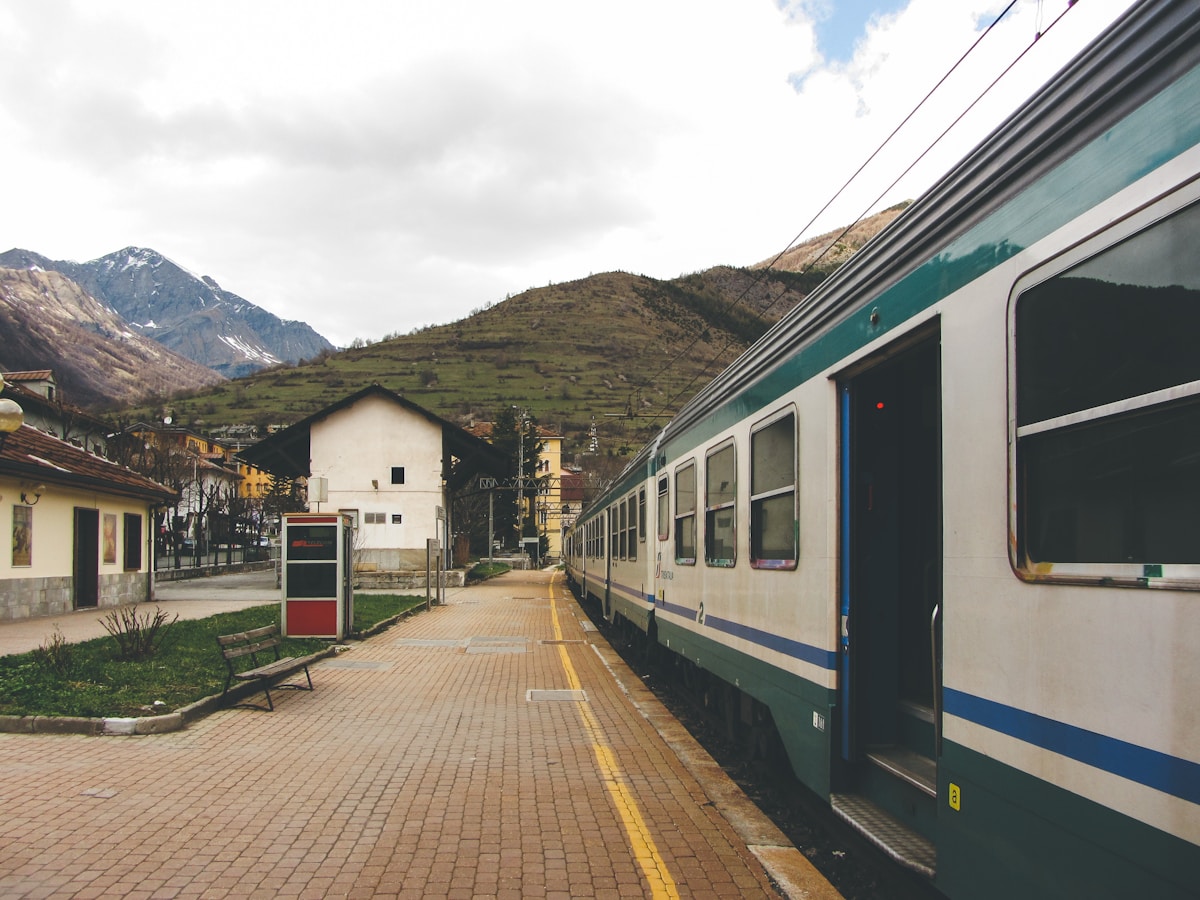
Italy has enough to fill months, which makes the planning question genuinely difficult. The answer depends less on how many sights you want to see and more on what kind of trip you want to take. Here is a practical framework based on actual travel times and what each city needs to breathe.
The Core Logic: Italy’s Geography
The classic tourist circuit - Rome, Florence, Venice - runs north to south along a single high-speed rail corridor. Rome to Florence takes 1.5 hours by Frecciarossa (approximately €19–40 booked ahead). Florence to Venice takes 2 hours (approximately €25–55). This is genuinely convenient and means you can cover a lot of ground without long travel days.
Everything else - Naples, the Amalfi Coast, Sicily, Puglia, Lake Como, the Dolomites, Umbria - branches off this corridor and adds meaningful travel time. The Amalfi Coast is 3 hours from Rome. Sicily requires a flight or a 10-hour overnight train. The Dolomites are 2 hours from Venice by bus.
Understanding this geography is the single most useful tool for planning how long you need.
1 Week in Italy (7 Days): The Essentials
Seven days is enough to do the three headline cities at a pace that leaves you with good memories rather than a blur of churches.
Suggested structure:
- Days 1–3: Rome - Vatican Museums and Sistine Chapel (Day 1, morning, book ahead), Colosseum and Roman Forum (Day 2, morning), Palatine Hill, Pantheon, Piazza Navona, Trastevere in the evening (Day 3). Base yourself in Monti or Prati.
- Day 4: Florence - Travel morning (1.5 hours), afternoon in the Oltrarno and Ponte Vecchio area.
- Day 5: Florence - Uffizi Gallery or Accademia (book ahead), climb Brunelleschi’s Dome, Piazzale Michelangelo at sunset.
- Day 6: Venice - Travel morning (2 hours from Florence), Doge’s Palace and St Mark’s Basilica in the afternoon, evening along the Grand Canal.
- Day 7: Venice - Rialto Market at 8am before the crowds, vaporetto Line 1 from Piazzale Roma to St Mark’s for the full Grand Canal view, Dorsoduro neighbourhood.
For the detailed day-by-day breakdown, see our 3 days in Rome, 3 days in Florence, and 2 days in Venice itineraries.
What a week cannot include: The Amalfi Coast, Naples, any of Sicily, a day trip to Pompeii, or time in Tuscany’s hill towns. If one of those is on your list, you need two weeks.
Transport budget for one week: Rome–Florence approximately €19–40; Florence–Venice approximately €25–55. Total approximately €44–95 for intercity trains if booked in advance.
2 Weeks in Italy (14 Days): First-Time Visitors’ Sweet Spot
Fourteen days is the length most travellers wish they’d booked when they planned their first Italy trip. It allows the three core cities plus one significant addition.
Option A: Classic + Southern Italy
- Rome (3 nights) → Pompeii day trip or overnight (1 night) → Naples (2 nights) → Amalfi Coast (2 nights, based in Positano or Amalfi town) → back to Rome or fly home from Naples.
Naples is 1 hour 10 minutes from Rome by Frecciarossa (approximately €13–30). Positano is a 1.5-hour drive or bus from Naples. The Amalfi Coast has no rail; you navigate by SITA bus, ferry, or hired car. See our Amalfi Coast itinerary for logistics.
- Then: Florence (3 nights) → Venice (2 nights) → depart.
Option B: Classic + Tuscany
- Rome (3 nights) → Siena day trip or overnight → Florence (3 nights) → Cinque Terre (2 nights, based in Monterosso or Vernazza) → Venice (2 nights) → depart.
Cinque Terre is 2 hours from Florence by train (La Spezia Centrale, then regional train to the villages). See our Cinque Terre itinerary for the hiking and ferry connections between villages.
Option C: Classic + The Lakes
- Rome (3 nights) → Florence (3 nights) → Milan (2 nights) → Lake Como (2 nights, based in Bellagio or Varenna) → Milan to fly home.
Lake Como is 1 hour from Milan Centrale by train. See our 3 days in Lake Como guide for the boat routes and village combinations. For the Milan component, our 2 days in Milan guide covers the Duomo, Last Supper, and Navigli district.
Why 14 days works: You have one genuine rest day built in without guilt, you can afford a slow morning without losing a city, and you can choose accommodation outside the immediate tourist centre (often half the price, frequently more pleasant).
Transport budget for two weeks: Allow approximately €100–200 for intercity trains if booked ahead. The Rome–Naples–Amalfi addition adds an SITA bus pass or car rental (approximately €40–80/day).
3 Weeks in Italy (21 Days): Going Deeper
Three weeks shifts the trip from highlights to understanding. The same amount of content covers more slowly, or you add regions that reward slower travel.
A 3-week structure:
- Rome (4–5 nights) - add day trips to Ostia Antica (ancient port city, free entry, 30 minutes by metro), Tivoli for Hadrian’s Villa and Villa d’Este (approximately €8–10 entry, 1 hour by bus).
- Naples + Campania (3–4 nights) - Pompeii (approximately €18), Herculaneum (approximately €15), Capri day trip by ferry from Naples (approximately €22 return), Caserta’s Bourbon palace (approximately €14).
- Puglia (3–4 nights) - Bari (2 hours from Naples by train), Alberobello (trulli houses, free to walk around), Lecce (the “Florence of the South”, no entry fees for most churches), Polignano a Mare (sea views, no charge).
- Florence + Tuscany (3–4 nights) - base in Florence, day trip to Siena (1.5 hours by bus) and San Gimignano (2 hours by bus + local connection). Both are doable in one long day.
- Cinque Terre or Umbria (2–3 nights) - Cinque Terre if you want coast and hiking; Umbria (Perugia, Assisi, Spello) if you want medieval hill towns and half the tourist crowd.
- Venice + surroundings (3 nights) - add a half-day to Murano (glass, 10 minutes by vaporetto) and Burano (lace, coloured houses, 45 minutes by vaporetto Line 12).
For the full breakdown of a 3-week trip, our 3 weeks in Italy itinerary covers routing options and what to cut if you need to adjust.
What 3 weeks lets you do that shorter trips cannot: Sicily (requires a full 5–7 days minimum), the Dolomites (requires 3–4 days and a base in Bolzano or Cortina), and Sardinia’s coast (requires 5–6 days and its own internal transport). These are separate destinations within Italy, not add-ons to the classic route.
How to Decide Your Trip Length
Ask yourself two questions:
1. What is your must-see list? If it is Rome, Florence, and Venice, one week works. If it includes the Amalfi Coast, Puglia, Sicily, or the Lakes, you need at least two weeks per major addition.
2. What pace do you travel at? If you prefer mornings with coffee and no agenda, slow evenings, and time to get genuinely lost in one neighbourhood, add two to three days to any itinerary. Italy rewards this approach more than most countries.
The most common regret among first-time Italy visitors is doing too much, too fast. Seeing the Colosseum, Vatican, Uffizi, and Doge’s Palace in four days is technically possible - and leaves most people feeling they never actually arrived.
Practical Transport Notes
Flying in and out of different cities saves backtracking and is often similar in cost. Flying into Rome and out of Venice, or into Rome and out of Naples, are both logical. Check Ryanair and EasyJet routes; the budget carriers serve all of Italy’s main airports.
Train vs. bus vs. car: For the north (Rome–Florence–Venice–Milan corridor), trains are fast and affordable. South of Rome, trains become slower on regional lines. The Amalfi Coast has no trains at all - it requires SITA buses, which are €2.50 per journey but very crowded in summer, or ferries between Amalfi, Positano, Salerno, and Capri. Sicily is best done by a mix of train (Palermo to Catania, approximately €13–20, 3 hours) and rental car for the interior.
Booking intercity trains: Use Trenitalia.com or Italo for high-speed routes. Book 3–6 weeks ahead for best prices. Regional trains (Regionale and Regionale Veloce) cannot be booked in advance on most routes - just buy at the machine on the day and validate your ticket before boarding.
See our Italy train travel guide and getting around Italy guide for more on navigating between regions.
Plan Your Trip
Once you have settled on a duration, the 1-week Italy itinerary, 10-days Italy itinerary, and 2-weeks Italy itinerary give you ready-made frameworks to adapt. For first-timers choosing between the classic cities, our Italy first-time guide helps you prioritise based on your interests rather than checklist logic.
Plan Your Trip
- Flights - Find the best fares to Italy
- Travel Insurance - Get covered before you go
- eSIM - Stay connected from landing
- Car Rental - Compare prices across providers
See also: 1-week Italy itinerary · 2-weeks Italy itinerary · Italy for first-timers · Getting around Italy