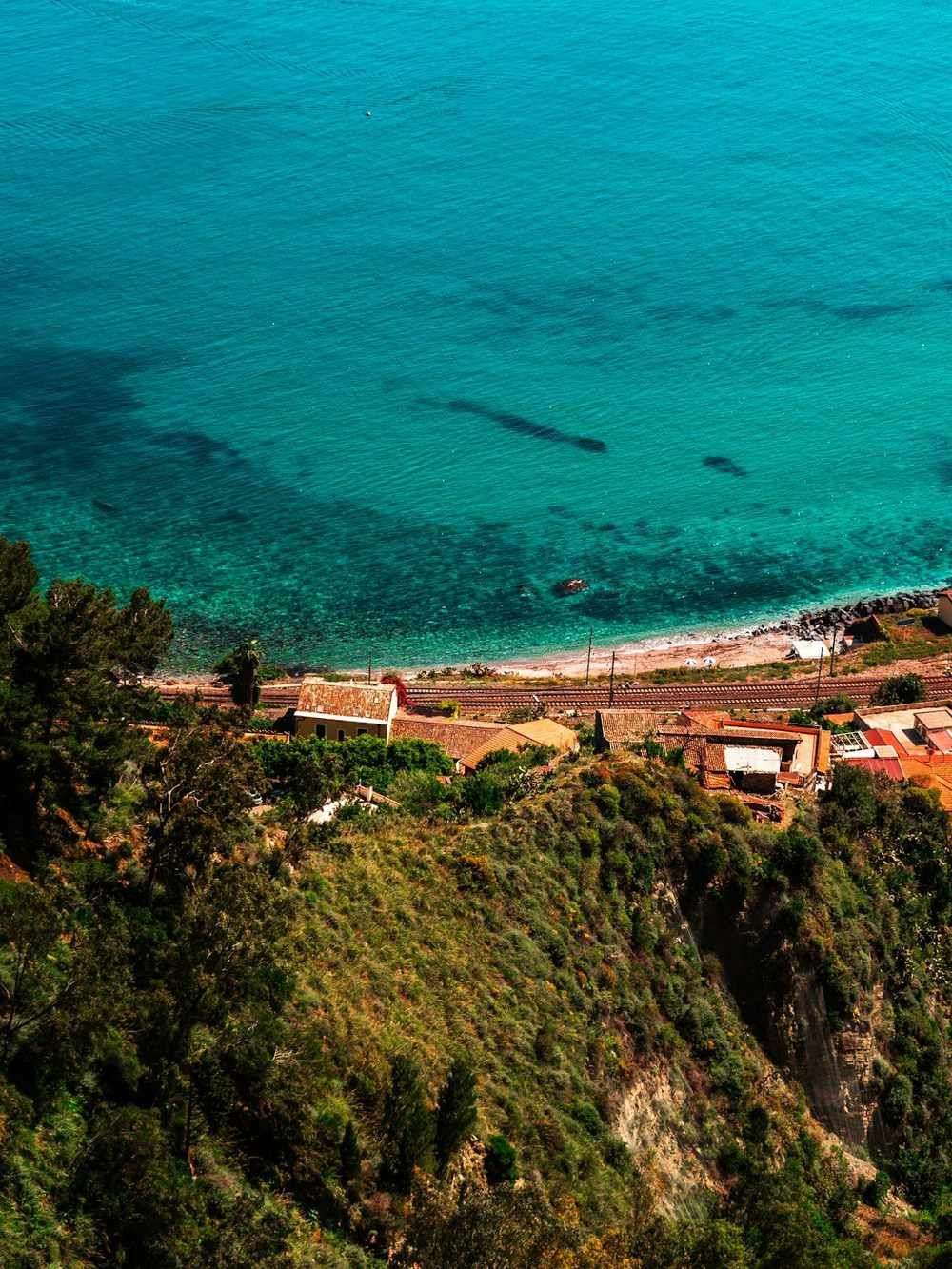
Taormina’s position on Sicily’s northeast coast is a logistical asset. The A18 motorway connects directly south to Catania and northwest to Messina. Mount Etna rises across the bay - visible from every terrace in town. The Alcantara River cuts through ancient basalt 16km inland. All three of the following day trips can be done comfortably without an overnight stay.
Mount Etna
The most active volcano in Europe sits approximately 50km southwest of Taormina via the A18 and SS284. The mountain has two main access points: Etna Nord (Linguaglossa side, quieter) and Etna Sud (Nicolosi side, the main tourist route via Rifugio Sapienza). For day trips from Taormina, Etna Sud is the practical choice.
Getting there: Private transfer from Taormina to Rifugio Sapienza costs approximately €80–110 round trip for up to four people - ask at your hotel for licensed operators. Taxis will quote similar or higher. Driving yourself takes about 1 hour 10 minutes; park at Rifugio Sapienza (€5/day as of 2026).
The route: Cable car from Rifugio Sapienza (1,923m) to 2,500m costs approximately €30 return as of 2026. From 2,500m, authorised 4x4 vehicles take you to 2,900m (€15 per person return as of 2026). Above 2,900m, access to the summit craters at 3,350m requires a licensed mountain guide - this is non-negotiable and enforced at the crater rim.
Guided summit excursions: Several Taormina-based operators run full guided Etna tours with pickup from Taormina hotels. Expect to pay approximately €45–65 per person all-inclusive (cable car, 4x4, guide, return transfer) as of 2026. Reliable operators include Etna Tour (etnataur.it) and Gruppo Guide Alpine Etna Sud (guidaetna.com). Tours typically depart 8–9am and return by 3–4pm. Confirm the departure point - most collect from central Taormina, but verify when booking.
What to expect: The summit craters are an extraordinary landscape - black and orange lava fields, sulphur vents, and views across Sicily to the sea on clear days. The summit altitude means temperatures approximately 15°C cooler than Taormina, with wind. Bring a jacket regardless of the weather below. Sturdy closed shoes are mandatory; sandals will be turned back by guides at the crater zone.
If you skip the summit: Rifugio Sapienza and the surrounding lava fields are free to explore and provide a genuinely dramatic introduction to the volcano. The Etna Sud lava museum near Nicolosi and the Casa del Miele honey cooperative at Zafferana Etnea (en route from Taormina) are good additions for a half-day version.
Alcantara Gorge
The Alcantara River carved a series of basalt columns and narrow gorges 16km west of Taormina - a 30-minute drive via the SP7 through Motta Camastra. The basalt formations date to a lava flow approximately 8,000 years ago; the river has since cut straight down through the rock, creating walls up to 25 metres high.
Getting there: Car or taxi is the most practical option - approximately 30 minutes each way. Taxi from Taormina costs approximately €25–35 each way. There is no reliable direct public bus from Taormina; the SAIS service via Giardini-Naxos operates infrequently and involves a connection at Francavilla.
Several Taormina tour operators run half-day Alcantara excursions with transport included; prices run approximately €25–35 per person as of 2026 including transport but not park entry or wetsuit rental.
The park: The main entrance (Alcantara Gorge Nature Park, Via Alcantara, Motta Camastra) is open daily. Entry approximately €6 per adult as of 2026. Elevator access takes you down to the gorge floor without stairs. Wetsuit and boot rental for walking in the river costs approximately €5–8 and is available on-site - useful for exploring further upstream but not required for the standard gorge walkway, which stays dry.
What to see: The columnar basalt formations are most dramatic at the main gorge entrance - the columns are typically 30–40cm in diameter and rise in vertical stacks from the river bed. The narrows where the river squeezes between the basalt walls are the most photogenic section and accessible on foot from the park entrance. Water temperature is 8–11°C year-round; if you plan to walk in the river, the wetsuit is worth the rental fee.
Timing: The gorge is busiest between 10am and 2pm in July and August. Arriving at opening (8am in summer) or late afternoon reduces crowds significantly. Allow 1.5–2 hours for a comfortable visit.
Messina
Sicily’s third-largest city sits 50km north of Taormina via the A18 - approximately 45 minutes by car or 35 minutes by train (Trenitalia direct, from approximately €5 as of 2026). Messina sits at the tip of Sicily facing the mainland across the Strait of Messina, historically the city through which travellers entered Sicily.
The 1908 earthquake: The city was almost entirely destroyed by the earthquake and subsequent tsunami of 28 December 1908 - the deadliest natural disaster in European history, killing an estimated 80,000 people in Messina alone. Most of what you see today dates from the post-earthquake reconstruction period, giving the city a relatively modern appearance compared to Sicily’s other historic centres.
The Duomo: The Cathedral of Santa Maria Assunta (Piazza del Duomo) was originally a Norman building of the 12th century - the apse mosaics survive from this period - but was rebuilt after the earthquake. The exterior is largely 20th-century reconstruction. The mechanical astronomical clock on the bell tower, which activates daily at noon with a procession of gilded figures, is genuinely worth watching. It’s one of the largest animated astronomical clocks in the world, installed in 1933.
Practical details: Messina’s centre is compact and flat - the Duomo, the Fontana di Orione (16th century), and the waterfront lungomare can be covered in 2–3 hours on foot. The port area is busy with ferry traffic to Villa San Giovanni and Reggio Calabria (Blueferries and Caronte & Tourist run crossings every 15–20 minutes; walk-on passengers approximately €2.50).
Extension - Savoca: The village of Savoca, 16km south of Messina on the hillside above Santa Teresa di Riva, was used for several scenes in The Godfather (1972). The Bar Vitelli - the café where Michael Corleone asks permission to marry Apollonia - still operates and displays memorabilia. The Norman-era castle ruins above the village provide views over the Ionian coast. From Taormina, Savoca is approximately 30km and makes a logical stop en route to or from Messina.
By train: Taormina-Giardini station (at the foot of the Taormina hill) has direct connections to Messina - approximately 6–8 trains daily, journey time 35 minutes, from approximately €5 as of 2026. This is the easiest way to visit Messina without a car.