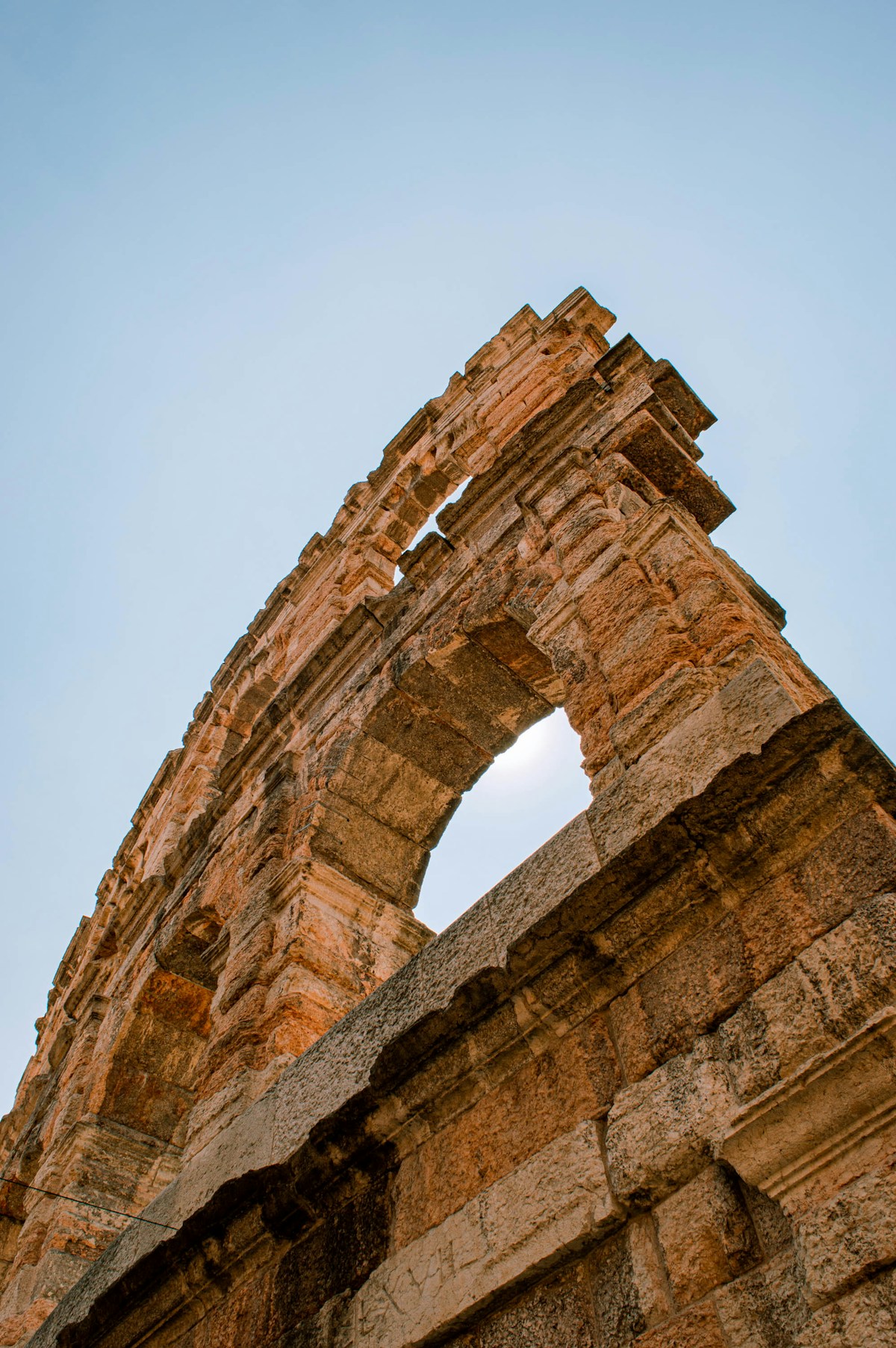
Milan rewards visitors who engage with what it does well rather than expecting Venice’s canals or Rome’s ancient ruins. It is Italy’s wealthiest, most internationally-oriented city, and its attractions reflect that: world-class design culture, the finest opera house in Italy, Leonardo da Vinci’s most important painting, and an aperitivo culture that turns early evenings into a social institution.
The Last Supper (Cenacolo Vinciano)
Leonardo da Vinci’s Cenacolo Vinciano (1495–1498) is in the refectory of Santa Maria delle Grazie. It is the most important painting in Milan and one of the most important in the world. Visits are strictly controlled: 30 people maximum per slot, 15 minutes per visit. Entry approximately €15 as of 2026, plus approximately €2 booking fee. Guided tours of Milan that include Last Supper tickets with skip-the-queue access are available and handle the booking complexity for you. Otherwise book directly as far in advance as possible at cenacolovinciano.vivaticket.it - slots sell out 2–3 months ahead in peak season. There is essentially no same-day availability from April through October. The painting measures approximately 4.6 x 8.8 metres and depicts the moment Christ announces that one of the apostles will betray him. The restoration (completed 1999) removed centuries of overpainting and revealed Leonardo’s original composition. Metro M1 (Conciliazione) or tram 16.
The Duomo
Milan’s cathedral is one of the world’s largest Gothic churches. The exterior’s 135 marble spires and approximately 3,400 statues took nearly 600 years to complete (1386–1965). The interior is dark and atmospheric - 52 pillars divide five vast naves. The rooftop terrace (lift approximately €16, or stairs approximately €11 as of 2026) gives views of the Gothic spires up close and a panorama across Milan to the Alps on clear days. The cathedral interior is free to enter. The archaeological area beneath the Duomo (approximately €8) reveals foundations of the 4th-century Baptistery of San Giovanni and early-Christian mosaics. Combined tickets at duomomilano.it cover cathedral, roof, museum, archaeological area, and the Church of San Gottardo. Open daily 8am–7pm (cathedral), 9am–7pm (terraces).
Art museums
Pinacoteca di Brera (Via Brera 28) - Milan’s premier art museum, housed in a 17th-century palazzo. Raphael’s Marriage of the Virgin, Mantegna’s Dead Christ, Caravaggio’s Supper at Emmaus, and one of the finest collections of northern Italian Renaissance painting. Entry approximately €15 as of 2026. Open Tuesday–Sunday 8:30am–7:15pm. Often less crowded than comparable museums in Florence or Rome. Metro M2 (Lanza).
Pinacoteca Ambrosiana (Piazza Pio XI 2) - Founded in 1618. Leonardo’s Portrait of a Musician, the original cartoon for Raphael’s School of Athens, a folio of Leonardo’s drawings (Codex Atlanticus - rotating display), and a Caravaggio Basket of Fruit. Entry approximately €15 as of 2026. Open Tuesday–Sunday 10am–6pm.
Museo del Novecento (Piazza del Duomo 8) - 20th-century Italian art in a building overlooking the Duomo piazza. Boccioni’s futurist sculptures, Morandi’s still lifes, De Chirico’s metaphysical paintings, and Fontana’s slashed canvases. Entry approximately €10 as of 2026. Free on the first Sunday of each month. Open Tuesday–Sunday 10am–7:30pm (Thursday until 10:30pm).
Fondazione Prada (Largo Isarco 2, south Milan) - Rem Koolhaas designed the complex in a former distillery. Contemporary art exhibitions, a permanent collection including works by Damien Hirst and Jeff Koons, and Bar Luce (a Wes Anderson-designed cafe). Entry approximately €15 as of 2026. Open Wednesday–Monday 10am–7pm. Metro M3 (Lodi TIBB) then a 10-minute walk.
La Scala
The Teatro alla Scala is one of the most famous opera houses in the world, opened in 1778. The season runs December through July. Opera tickets range from approximately €30 (gallery) to approximately €250 (stalls) as of 2026 - book at teatroallascala.org months in advance for popular productions. Same-day tickets are sometimes available from the box office from 1pm. The Museo Teatrale alla Scala (entry approximately €12) covers the theatre’s history and allows a peek into the auditorium when rehearsals aren’t running.
Design and fashion
The Quadrilatero della Moda (fashion quadrilateral: Via Montenapoleone, Via della Spiga, Corso Venezia, Via Manzoni) is worth walking even without shopping - the flagship stores have extraordinary interiors and window displays. The Triennale Design Museum (Viale Alemagna 6 - entry approximately €15 as of 2026) covers Italian design history from furniture to fashion. The ADI Design Museum (Piazza Compasso d’Oro 1, Isola - entry approximately €12) displays the Compasso d’Oro award collection.
The Navigli canal district is the most charming area of the city - two canals (Naviglio Grande and Naviglio Pavese) lined with bars, restaurants, art galleries, and antique shops. The antique market along the Naviglio Grande runs on the last Sunday of each month (except July and August). Best in the evening for aperitivo.
Castello Sforzesco and Sempione Park
The 15th-century Sforza Castle houses several museums including the Museo d’Arte Antica (Michelangelo’s last sculpture, the Rondanini Pietà, is here - entry approximately €5 as of 2026), the Pinacoteca (paintings), and the Museum of Musical Instruments. Behind the castle, Parco Sempione is Milan’s largest central park - good for a morning run or afternoon escape. The Arco della Pace (Peace Arch) at the western end mirrors the Arc de Triomphe in Paris.
Day trips
Lake Como (40–60 minutes by train from Cadorna or Centrale, from approximately €5) - Bellagio, Varenna, Villa del Balbianello. Bergamo (50 minutes by train, approximately €6) - medieval upper city with Venetian walls. Lake Maggiore (50–80 minutes by train, approximately €7) - Borromean Islands. Turin (50 minutes by Frecciarossa, from approximately €15) - baroque architecture, Egyptian Museum, Piedmontese food. See our day trips from Milan guide for full logistics on each.
Book a guided tour
The Last Supper is the key booking challenge in Milan - slots sell out 2–3 months ahead in peak season. A guided tour handles the ticket complexity while adding Leonardo’s technique and historical context. Here are the main options on GetYourGuide, prices approximate as of 2026.
| Tour | Duration | Price per person | Group size | What’s included |
|---|---|---|---|---|
| Milan city walking tour (Duomo, Galleria, Navigli) | 2 hours | From EUR 22 | Up to 20 | Expert guide — no entry fees |
| Last Supper guided visit (with ticket) | 1.5 hours | From EUR 49 | Max 25 | Official Last Supper entry + licensed guide |
| Last Supper + Brera district walking tour | 3 hours | From EUR 65 | Up to 15 | Last Supper entry + Pinacoteca di Brera walk |
| Duomo rooftop + Brera art district tour | 2.5 hours | From EUR 39 | Up to 20 | Duomo roof ticket (lift) + guide |
| Lake Como day trip from Milan | 8 hours | From EUR 75 | Up to 12 | Transport + boat + Bellagio + Villa Balbianello |
Browse all Milan tours on GetYourGuide →
Back to the full Milan travel guide for neighbourhoods, entry fees, and accommodation. For booking the Last Supper in advance, our Last Supper tickets guide covers the booking system, slot timing, and what to expect. For Milan food and aperitivo: see the Milan food guide. For day trips to Lake Como and Lake Garda, we have dedicated city guides. If you’re comparing Milan with Rome before committing to a base, our Milan vs Rome guide covers the key differences.
Where to stay in Milan: Find hotels in Milan — search accommodation across all budgets.