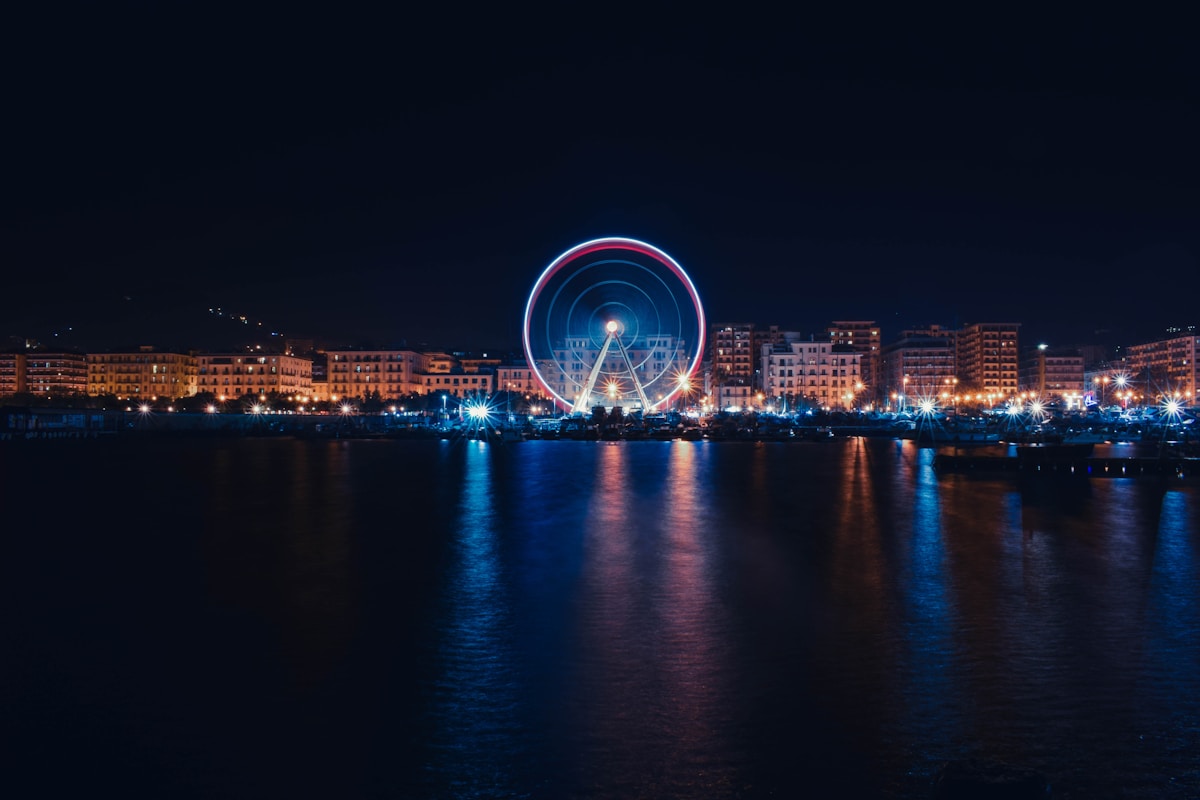
Salerno is the practical capital of southern Campania and the best-value base for the Amalfi Coast, Pompeii, and Paestum. Less visited than Naples, it is also less overwhelming - a real southern Italian city with a functioning waterfront, a medieval core, a significant cathedral, and fast ferry connections to the Amalfi Coast without the hotel prices of Positano or Amalfi.
The Cathedral (Duomo di Salerno)
The Cattedrale di San Matteo is one of the finest Norman cathedrals in southern Italy, built by Robert Guiscard in 1076–1085 on the orders of Pope Gregory VII. The atrium - a courtyard with classical columns brought from Paestum - opens onto a facade with a 12th-century mosaic on the upper level. The interior has cosmateschi marble floors and the tomb of Pope Gregory VII in the left nave.
The Crypt of St Matthew holds the relics of the Apostle Matthew, brought to Salerno from Ethiopia in the 10th century. The crypt, built in 1634, is an elaborate baroque space below the main floor. The adjacent Diocesan Museum has ivory tablets carved with Biblical scenes (11th century) of extraordinary quality.
The medieval centre (Centro Storico)
The historic centre above the modern city - a compact area of medieval lanes, churches, and palazzo facades. The Via dei Mercanti (street of merchants) is the main axis. Less touristic than similar quarters in Naples or Lecce.
The Castello di Arechi - the Byzantine-Lombard castle on the hill above the city (5th century, modified through the 12th century) has panoramic views over the Gulf of Salerno. Reached by bus or taxi; 20-minute walk from the city.
The Lungomare
The broad seafront promenade runs 2km along the Gulf of Salerno. Salerno’s Lungomare is one of the better Italian seafront promenades - well-planted, used by locals for the evening passeggiata, with views across the bay to the mountains of the Cilento. The Christmas lights on the Lungomare are among the most elaborate in Italy.
Salerno as a base
Salerno’s real value is as a hub:
Amalfi Coast: Ferries from Salerno port to Amalfi (35 minutes), Positano (1 hour), and Capri (1.5 hours). The ferry avoids the traffic gridlock of the coast road. SITA buses also run from Salerno.
Pompeii and Herculaneum: Circumvesuviana train from Salerno to Pompeii (50 minutes) or Herculaneum (40 minutes). Or take the high-speed train to Naples (40 minutes) then Circumvesuviana.
Paestum: 40 minutes south of Salerno by train or bus. Three Greek Doric temples from the 5th century BC in extraordinary preservation. The Painted Tomb of the Diver (480 BC) in the adjacent museum is the finest surviving example of Greek painting on panel.
Cilento coast: The least-known Campanian coast, south of Paestum - long sandy beaches, fishing villages, and significantly lower tourist pressure than the Amalfi. Accessible by car or local bus.
Practical notes
Salerno is on the main Naples–Reggio Calabria railway line. High-speed trains from Naples (40 minutes), Rome (2h 45min). The ferry port is 10 minutes’ walk from the station. The city has lower hotel prices than Naples or the Amalfi Coast. Guided tours from Salerno covering the Amalfi Coast, Paestum, and Pompeii are an efficient way to see the highlights without managing ferry and bus connections independently.
Book Salerno Tours on GetYourGuide
| Tour | Duration | From price | Highlights |
|---|---|---|---|
| Salerno medieval city walking tour | 2–3 hrs | From €19 | Norman cathedral, Lungomare, medieval centre, historic streets |
| Amalfi Coast scenic boat tour from Salerno | Full day | From €65 | Positano, Amalfi, Ravello, sea caves, coastal scenery |
| Paestum Greek temples guided excursion | Full day | From €55 | Three Doric temples, archaeological museum, Magna Graecia history |
Browse all Salerno tours on GetYourGuide →
Back to the full Salerno travel guide for the cathedral, the Lungomare, and ferry connections. For day trips from Salerno to the Amalfi Coast and Paestum, see day trips from Salerno. For accommodation in Salerno, see best hotels in Salerno. Salerno is the most affordable base for the Amalfi Coast - our Amalfi Coast travel guide and Amalfi Coast hotels guide cover options further up the coast. For a broader southern Italy circuit connecting Naples, Salerno, and Puglia, see our southern Italy itinerary.
Where to stay in Salerno: Find hotels in Salerno — search accommodation across all budgets.