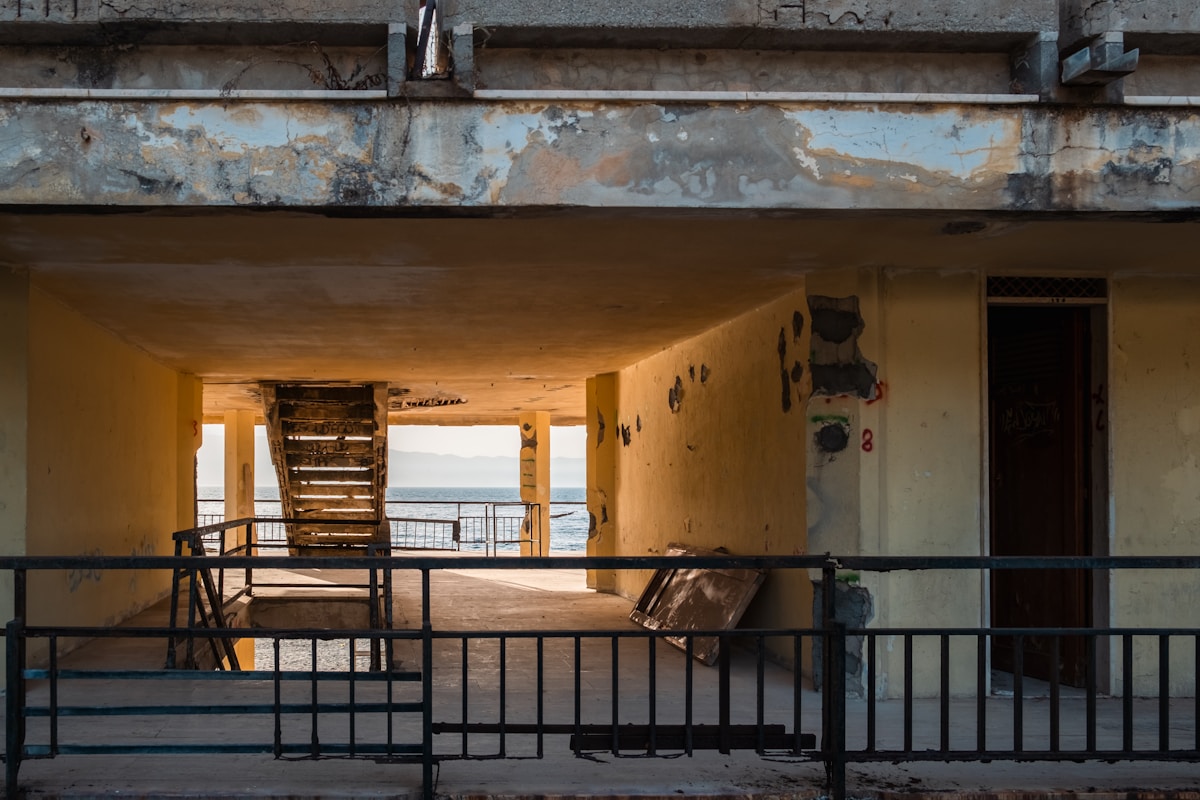
Reggio Calabria sits at the tip of the Italian boot, separated from Sicily by only 3km of water (the Strait of Messina). It is the southernmost city of the Italian mainland and one of the oldest continuously inhabited settlements in the Mediterranean - a Greek colony (Rhegion) founded in the 8th century BC that has survived earthquakes, invasions, and the margin of Italian political attention. It has one overwhelming reason to visit: the Riace Bronzes.
The Riace Bronzes (National Museum of Magna Graecia)
The two Riace Bronzes are the finest surviving full-scale ancient Greek bronzes in the world. Guided tours of Reggio Calabria covering the museum collection and the Lungomare are available and worthwhile for context. Found by a diver in 1972 off the coast of Riace (a village on the Calabrian coast), the two warrior figures - 2 metres tall, weighing 160kg each - are dated to 460–450 BC, the same period as the Parthenon marbles. The eyes are inlaid with bone, glass paste, and calcite; the lips and nipples are copper; the teeth silver. The level of craftsmanship and the expressiveness of the faces - one bearded and fierce, one younger and more composed - are unmatched in surviving ancient sculpture.
The Museo Nazionale di Reggio Calabria reopened in 2016 after extensive renovation. The Bronzes occupy a dedicated room on the ground floor, with controlled access in small groups. The rest of the museum has an excellent collection of Magna Graecia archaeology - Greek sculpture, pottery, gold jewellery, and Italic materials from across Calabria. €8 entry.
The Lungomare
The seafront promenade - described by Gabriele D’Annunzio as “the most beautiful kilometre in Italy” - runs along the strait with uninterrupted views of Sicily. On clear days, Mount Etna is visible above the Sicilian hills. The Sicilian coast is close enough to distinguish individual buildings. The passeggiata along the Lungomare in the evening is the social heart of Reggio.
The old city and the Cathedral
The central zone was largely destroyed by the 1908 earthquake (the deadliest European earthquake of the 20th century, killing 200,000 people in Reggio and Messina). The city was rebuilt in early 20th-century style. The Cathedral (rebuilt 1957–1960) contains the tomb of Cardinal Portanova. The Castello Aragonese on the waterfront is from the medieval period - now used for exhibitions.
The Aspromonte
The mountain massif behind Reggio Calabria - a national park (Parco Nazionale dell’Aspromonte) with dramatic gorges, isolated hilltop villages, and forests. The Ferruzzano gorge, the village of Pentedattilo (an abandoned medieval village on a distinctive rocky outcrop), and the Greco-Calabrian language communities in the high villages are points of interest for those with a car and time.
The Strait of Messina crossing
The ferry crossing to Villa San Giovanni (Sicilian side) takes 20 minutes and runs continuously. The Reggio–Messina hydrofoil (20 minutes) connects directly to the Sicilian city. This is one of the world’s most strategically significant strait crossings - the classical Scylla and Charybdis of Homer’s Odyssey are associated with whirlpools in the strait.
Practical notes
Reggio Calabria is 8 hours from Rome by train (the slowest journey in Italy for the distance) or about 2 hours from Cosenza by regional train. Flying is the practical approach: Reggio Calabria airport (REG) has direct flights from Rome and Milan. From the airport, the Lungomare is 10 minutes by taxi.
Book Reggio Calabria Tours on GetYourGuide
| Tour | Duration | From price | Highlights |
|---|---|---|---|
| Reggio Calabria guided museum tour — Riace Bronzes and Magna Graecia collection | 2.5 hrs | From €25 | Riace Warriors, Magna Graecia gold jewellery, expert guided commentary |
| Reggio Calabria Lungomare and historic centre walking tour | 2 hrs | From €20 | Seafront promenade, Castello Aragonese, D’Annunzio’s “most beautiful kilometre” |
| Aspromonte national park day trip from Reggio Calabria | 6 hrs | From €45 | Pentedattilo abandoned village, Aspromonte gorges, views of Sicily |
Browse all Reggio Calabria tours on GetYourGuide →
Back to the full Reggio Calabria travel guide for the Riace Bronzes, the Lungomare, and ferry connections to Sicily. For day trips from Reggio Calabria, see day trips from Reggio Calabria. For accommodation, see best hotels in Reggio Calabria. For Sicily as the obvious next destination across the strait, our Sicily guide covers the island, and the things to do in Sicily and Sicily itinerary map the highlights. For a southern Italy route, our southern Italy itinerary connects Naples, the Amalfi Coast, and Sicily.
Where to stay in Reggio Calabria: Find hotels in Reggio Calabria — search accommodation across all budgets.