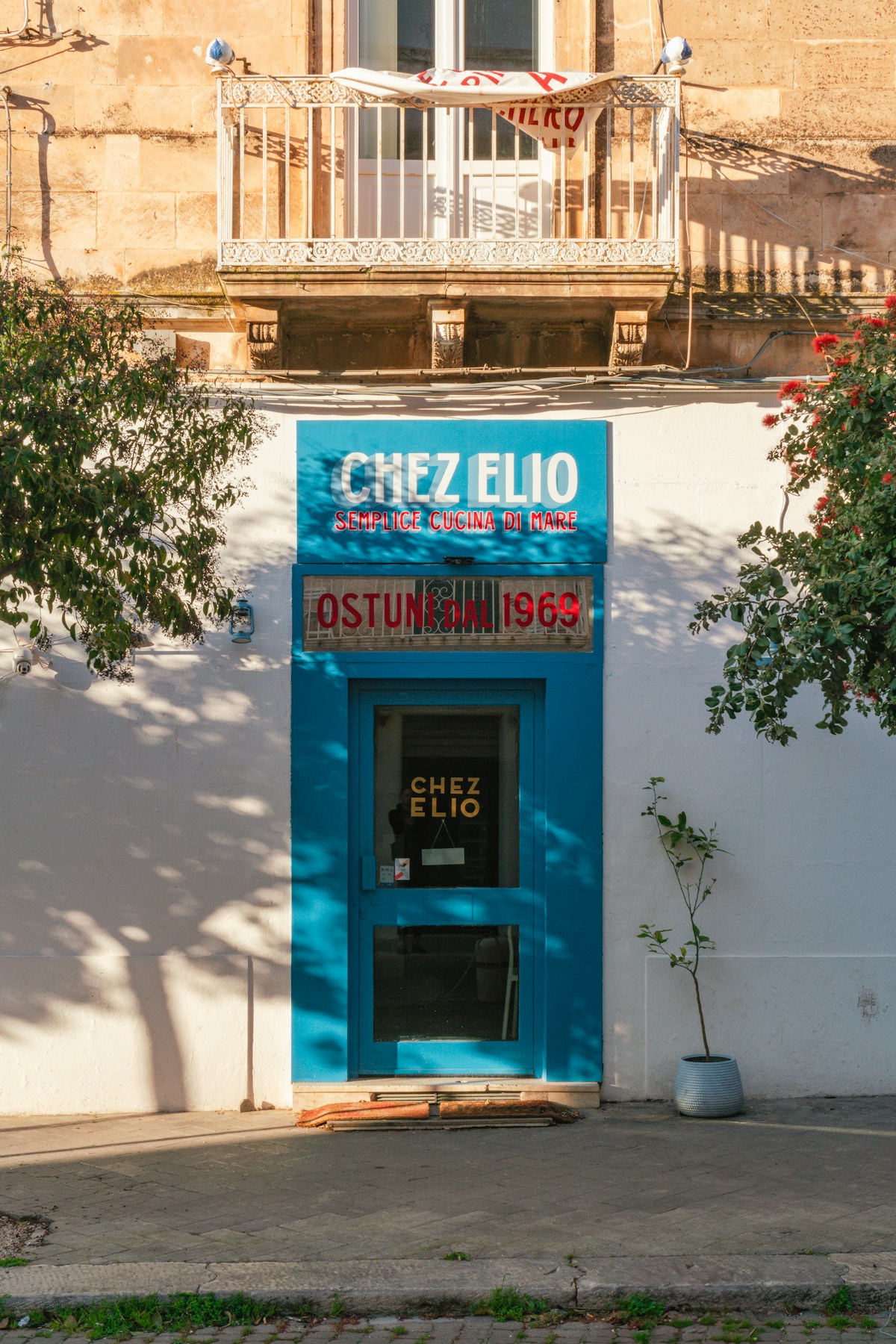
Ostuni’s food is Puglia cooking at its most agricultural: olive oil from groves visible below the town walls, wheat-based pastas and breads from the flat plain behind, vegetables grown on the coastal strip, and sheep’s cheeses from the Murge plateau. The local kitchen is not elaborate — the best food in Ostuni is simple combinations of very good ingredients, cooked without much interference.
Top Tours at a Glance
| Tour | Duration | Price (from) | Group Size | Highlights |
|---|---|---|---|---|
| Ostuni food and market walking tour | 3 hrs | from €55 | Up to 12 | Mercato Coperto, burrata tasting, street food stops |
| Puglia cooking class in Ostuni | 3.5 hrs | from €70 | Up to 10 | Orecchiette, ciceri e tria, local olive oil, dessert |
| Ostuni old town guided tour with tastings | 2 hrs | from €35 | Up to 15 | Cattedrale, white city history, wine and cheese |
| Masseria olive oil experience near Ostuni | 2.5 hrs | from €45 | Up to 14 | Working masseria, harvest demo, oil tasting, lunch |
Browse all Ostuni tours → GetYourGuide
What to Eat
Orecchiette con Cime di Rapa
The flagship pasta of Puglia — small ear-shaped pasta with a slightly chewy texture, tossed with cime di rapa (rapini or turnip tops), garlic, anchovy, chilli, and breadcrumbs. The bitterness of the greens balances the richness of the oil; the anchovy dissolves into the sauce without adding fishiness. This is the dish to order first in any Ostuni trattoria.
At Osteria del Tempo Perso, the orecchiette uses handmade pasta and is one of the better versions in town. Expect approximately €10—14 for a pasta course.
Burrata
Made daily in Puglia, burrata is fresh mozzarella pulled around a filling of cream and mozzarella shreds. It should be eaten the day it is made — the casing is thin and the interior should spill out when cut. In Ostuni, burrata is served as an antipasto with grilled vegetables or alone with good olive oil and bread.
Look for burrata at the market (Viale Roma, Tuesday and Saturday mornings) and at better delis in the old town. A 250g portion at a restaurant costs approximately €6—10. Do not confuse it with supermarket burrata from outside the region — the difference in freshness is significant.
Friselle
A twice-baked bread ring, dried until very hard, softened with cold water for 20—30 seconds, and then topped with ripe tomatoes, olive oil, salt, and oregano. The texture is halfway between bread and a crouton — absorbent and chewy. Friselle are sold in every bakery in Puglia; in Ostuni they are often served as an appetiser at restaurants or eaten as a street snack.
The best friselle are made from durum wheat (grano duro) or a mix of wheat and barley. Bakeries on Corso Vittorio Emanuele sell them loose; from approximately €0.50 each. A plate of friselle topped with good tomatoes and anchovies at a trattoria costs approximately €5—8.
Ciceri e Tria
A traditional Salentine dish — chickpeas in a thick broth with pasta strips, some of which are boiled and some fried until crisp. The contrast between the soft braised chickpea base and the fried crispy pasta is the point. Seasoned with wild fennel or rosemary. This is honest winter cooking but appears on menus year-round in Puglia; the fried element makes it lighter than it sounds.
Found on the menu at Osteria del Tempo Perso and several other trattorias in the old town.
Lampascioni
Wild hyacinth bulbs — bitter, slightly astringent, looking like small onions. They are harvested in spring from the limestone fields around Ostuni and cooked in several ways: pickled in olive oil (served as part of an antipasto plate), slow-roasted with olive oil and herbs, or fried. The bitterness mellows considerably with cooking but never disappears. Acquired taste, but genuinely characteristic of Puglia cooking.
Available in jars at deli shops throughout the old town (approximately €4—7 per jar as of 2026). Ask at Osteria del Tempo Perso whether they are on the menu — the kitchen uses seasonal produce when available.
Local Olive Oil
The oil from the olive groves below Ostuni comes primarily from the Ogliarola Salentina cultivar — a medium-intensity oil with grassy notes and a clean, slightly peppery finish. Worth buying a bottle to taste what local olive oil actually tastes like when it has not been blended, standardised, or shipped across Europe.
Farm-gate oil from the masserie around Ostuni costs approximately €8—12 per 500ml as of 2026. The better food shops in the old town stock single-estate oils; the supermarket alternatives are not comparable.
Cheese
Puglia is not primarily a cheese region (that role belongs further north), but local sheep’s cheese (pecorino) from the Murge plateau appears on antipasto plates. It ranges from fresh and mild to aged and sharp over weeks. The fresh versions are good eaten with honey or figs; aged versions are better grated or eaten with bread and oil.
Where to Eat in Ostuni
Osteria del Tempo Perso
Via G. Tanzarella Vitale 47 — the most consistently recommended trattoria in the old town, occupying a converted cave space below street level. Fixed-menu dinner at approximately €35 per person includes several antipasti, a pasta course, a main, and dessert. The orecchiette is good; the lampascioni antipasto is worth ordering if available. Booking essential in July and August (minimum 24 hours ahead). Closed Monday.
La Sommita Restaurant
Via Scipione Petrarolo 7 (inside the relais hotel) — the most refined cooking in Ostuni, with modern interpretations of Puglia dishes and excellent local wine list. Dinner averages approximately €50—65 per person for three courses with a glass of wine. Better for a special dinner than an everyday meal. Book at least a week ahead in summer.
Porta Nova
Corso Vittorio Emanuele 22 — good for grilled fish and seafood, in an old-town setting with outdoor tables in summer. Mixed antipasto di mare at approximately €14; grilled sea bream or sea bass at approximately €18—24. Total bill approximately €40—50 per person with wine. Solid rather than exceptional; useful for seafood that is not always easy to find inland.
Pizzeria Vecchia Ostuni
Via Pietro Petrarolo 8 — consistently popular Neapolitan-style pizza in the old town. Margherita from approximately €7; more involved toppings from €9—12. Cheap and reliable; good for a casual meal when the trattorias feel too formal. Expect a queue in high summer if arriving after 20:30 without a booking.
Il Frantoio Masseria Restaurant
SS16 km 874 (approximately 8km from town) — the masseria kitchen serves a fixed lunch of estate produce: antipasti from the farm, house pasta, grilled meat, cheese, and olive oil tasting. Approximately €35—45 per person as of 2026. Worth the drive for a midday meal that connects the food to the landscape it comes from. Open lunch only; booking essential.
Market Shopping
Weekly market (Viale Roma): Tuesday and Saturday mornings from approximately 07:30 to 13:30. Fresh produce, local cheeses (particularly good in spring and autumn), jars of lampascioni and other preserved vegetables, and good bread. Better produce quality and lower prices than the old-town shops.
Deli shops in the old town: Corso Vittorio Emanuele and the lanes around it have several small shops selling preserved vegetables, olive oils, taralli, and regional products. Good for gifts and to supplement a market visit.
Eating by Time of Day
Breakfast: most trattorias do not serve breakfast. Use the cafes on Piazza della Liberta and Corso Vittorio Emanuele. Espresso and a cornetto (croissant) costs approximately €1.50—2.50 as of 2026.
Lunch: typically 12:30—14:30. Many trattorias offer a shorter lunchtime menu; fixed-menu lunches at masserie are approximately €35—45.
Aperitivo: from about 18:00, the bars on Piazza della Liberta serve Aperol spritz or local white wine with small plates of taralli and olives. Expect approximately €6—8 per drink as of 2026.
Dinner: from 20:00 (earlier for tourists; locals eat later). Booking is advisable for the better places in July and August; walk-ins are usually possible outside of peak dates.
Puglia Wine with the Food
The local wines complement the food well. Primitivo di Manduria (big, ripe red) works with grilled lamb and aged cheese. Negroamaro (softer and more earthy) goes with the pasta and braised dishes. Locorotondo DOC bianco or Verdeca are the local whites — dry and mineral, good with seafood and burrata. A carafe of house wine at a trattoria costs approximately €8—14 as of 2026.