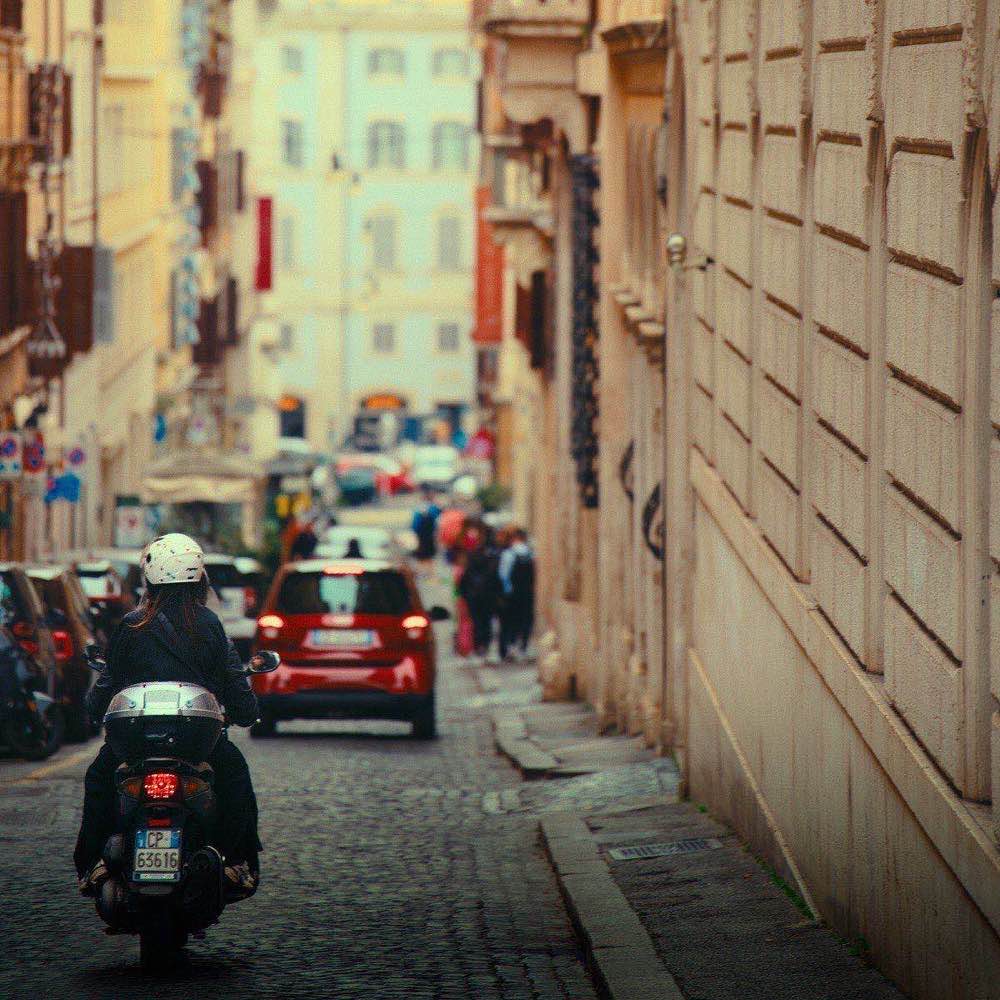
Rome rewards slow visitors far more than tourists passing through. The city’s neighbourhoods each have a distinct rhythm — Monti is the neighbourhood bar and the art studio, Trastevere is the vine-covered courtyard and the late dinner, Prati is the morning coffee at the corner bar and the cobbled piazza. A week or a month gives you time to find your corner of it.
This guide covers monthly and weekly apartment rates by neighbourhood, the serviced apartment options available, and the practical questions that matter for stays beyond a few nights.
Search Rome hotels on Booking.com to compare prices and check availability across all areas in this guide.
Weekly vs monthly rates: what to budget
Rome’s short-term rental market splits sharply between holiday-let pricing (priced per night, flexible checkout, no utilities headache) and the monthly furnished apartment market (direct landlord or agency, typically a 1–3 month minimum, utilities extra). A week-long stay usually means paying holiday-let pricing; a month or more opens up the monthly contract market, which is meaningfully cheaper per night.
Approximate Rome accommodation costs (as of 2026):
| Type | Per week | Per month |
|---|---|---|
| Studio serviced apartment — central | €900–1,400 | €1,800–2,800 |
| Furnished 1-bed apartment — central | €1,100–1,800 | €2,200–3,500 |
| Studio serviced apartment — outer ring | €500–800 | €950–1,500 |
| Furnished 1-bed — Pigneto/Ostiense | €450–700 | €900–1,400 |
| Extended-stay hotel suite (monthly rate) | — | €2,500–4,500 |
Utilities (electricity, gas, internet) are typically included in serviced apartments but charged separately on direct rentals — budget approximately €100–180 extra per month. Italian gas bills spike in winter heating months.
Trastevere: the classic neighbourhood choice
Trastevere is where most visitors discover they want to stay longer than planned. The neighbourhood sits on the far bank of the Tiber from the city centre — close enough to walk to Campo de’ Fiori or Testaccio in 20 minutes, but with a distinct village character of vine-covered walls, neighbourhood osterie, and a weekly market at Porta Portese.
Best for: Second or third Rome visits, anyone who wants evening atmosphere, creatives, slow travel.
Trade-off: Noise from the aperitivo circuit on Thursday–Saturday nights. The alleyways are narrow, which adds charm but limits natural light in ground-floor apartments.
Monthly furnished 1-bedroom apartments in Trastevere average €1,600–2,400 depending on floor height, condition, and exact position within the neighbourhood. Closer to Viale di Trastevere (the main artery) is cheaper; higher up toward Gianicolo hill is quieter and airier.
- Residenza San Calisto — Small guesthouse offering longer-stay rooms at favourable monthly rates in the heart of Trastevere. Ask directly about stays of 21+ days — nightly rates on Booking.com don’t always reflect available long-stay pricing.
- Hotel Trastevere — Reliable mid-range option a few minutes from Viale di Trastevere with a quiet internal courtyard. Standard rooms from approximately €90–130/night, reducing to around €70–95/night on extended-stay deals negotiated directly.
Prati: the most liveable neighbourhood for extended stays
Prati, across the Castel Sant’Angelo from the centro storico, does not get the romantic press of Trastevere, but it consistently scores the highest on actual liveability metrics for extended stays. Wide, tree-lined streets, excellent supermarkets (including a large Carrefour on Via Cola di Rienzo), a Sunday market, and a strong neighbourhood café culture with locals who know the barista by name.
Best for: Families, solo remote workers who want a quiet base, anyone staying more than three weeks.
Trade-off: Less nightlife than Trastevere or Monti. More conservative demographic mix.
Monthly furnished apartments in Prati average €1,400–2,200 — notably cheaper than equivalent size in Trastevere or Monti for similar finish quality. Proximity to the Vatican inflates prices in the streets immediately adjacent; moving two or three blocks west along Via Candia or Via Canino drops prices significantly.
- iQ Hotel Roma — Design hotel on Via Firenze (between Termini and Repubblica), well-positioned for both Prati day trips and city exploration. Extended-stay guests can negotiate weekly rates for stays of 7+ nights — ask the property directly. Rooms feature desk space and reliable fast Wi-Fi.
- For furnished apartment rentals in Prati, platforms like Spotahome and Flatio list month-to-month contracts without long-term leases. Typical studios from approximately €1,200–1,600/month inclusive of utilities in mid-2026.
Monti: central character with a local edge
Monti is Rome’s most fashionable inner neighbourhood — centred on the Via del Boschetto restaurant strip and the Piazza della Madonna dei Monti aperitivo square. It sits five minutes on foot from the Colosseum and ten minutes from Termini station, making it the most transit-accessible residential area in the city.
Best for: First extended stays in Rome, remote workers who value walkability, anyone who wants neighbourhood life within 10 minutes of the main sites.
Trade-off: Higher rents than equivalent space further out. Some apartment blocks are ageing.
Monthly furnished apartments in Monti: €1,700–2,800 for a 1-bedroom. The neighbourhood is small and apartment inventory turns over slowly — available months-long lets are rarer here than in Prati or Trastevere. Give yourself two to three weeks to find availability.
Co-working in Monti: Talent Garden (multiple Rome locations including near Monti) and Copernico Rome offer day passes from approximately €20–30. Most Monti bars allow laptop working until mid-afternoon.
Testaccio: food market neighbourhood, strong value
Testaccio has the city’s best daily food market (Mercato Testaccio), Rome’s best cacio e pepe, and the Circus Maximus on its eastern edge. It is a working-class neighbourhood that has gentrified at a slower pace than Trastevere or Monti, which keeps apartment prices more reasonable.
Monthly 1-bedroom apartments in Testaccio: €1,200–1,900. Transport to the centre is good via the Piramide metro station (Line B), though Testaccio is already walkable to most of Rome’s major sites.
- Residenza Testaccio — Small residenza with studio and apartment options offering competitive monthly rates for extended visitors. Directly beside the Testaccio market.
Pigneto and Ostiense: lowest rents, creative scene
East of the historic centre, Pigneto has become Rome’s creative district — an area of street art, independent cafés, and an increasingly international population. Rents are among the lowest within the GRA (Rome’s ring road) for furnished apartments.
Monthly 1-bedroom apartments in Pigneto: €900–1,400 — genuinely competitive for an inner Rome neighbourhood with good transport. The Pigneto tram stop links directly to Termini in approximately 20 minutes.
Cost comparison: Pigneto vs Monti vs Trastevere for one month (solo, mid-range)
| Item | Pigneto | Monti | Trastevere |
|---|---|---|---|
| 1-bed furnished apartment | €1,000–1,400 | €1,700–2,200 | €1,600–2,100 |
| Food (mix market cooking + eating out) | €350–550 | €400–650 | €420–680 |
| Transport (metro + bus) | €35 (monthly pass) | €35 | €35 |
| Coworking (15 days) | €200–350 | €300–450 | €280–420 |
| Monthly total | €1,600–2,300 | €2,400–3,300 | €2,300–3,200 |
Digital nomad logistics in Rome
Internet: Fibre broadband is standard in modern Rome apartments — expect 100–300 Mbps in most buildings built after 2010. Older historic buildings (particularly in Trastevere and the centro storico) can have slower infrastructure. Ask the landlord explicitly before signing.
SIM card: Wind Tre and Vodafone Italy both offer 30-day tourist SIMs with unlimited data for approximately €10–15. Available at any tabacchi (tobacconist) or the operators’ shops near Termini station.
Coworking: Talent Garden (tagRome.it) has the widest presence; Copernico Roma is more corporate-leaning. Day passes from approximately €20–30; monthly hot-desk from approximately €150–250.
Healthcare: European Health Insurance Card (EHIC) covers EU citizens at Italian hospitals at no cost. Non-EU visitors should budget for private health insurance — travel insurance with extended-stay health coverage typically costs €50–120 per month.
Grocery: Mercato Testaccio is the best food market in the city. For everyday shopping, Conad, Carrefour, and MD supermarkets are distributed throughout residential neighbourhoods. Organic and specialty imports at NaturaSì, present in most central neighbourhoods.
Which area should you choose?
Choose Prati if: You are staying a month or more and want liveability over atmosphere. The best infrastructure for actual day-to-day life — supermarkets, pharmacies, transport.
Choose Monti if: You are staying two to four weeks and want central access with neighbourhood character. Highest rents for what you get, but the most convenient for sightseeing.
Choose Trastevere if: You want atmosphere and have settled for the evening noise. Better for a second or third visit when you know you want that neighbourhood specifically.
Choose Testaccio if: You cook at home and want the best food market access in Rome. Genuinely underrated for long stays.
Choose Pigneto if: Budget is a priority and you enjoy a creative, less-polished neighbourhood feel. Good for stays of one month or more where you have time to discover it properly.
For most remote workers staying a month, Prati or Testaccio represent the best balance of liveability, value, and access to central Rome.
Search serviced apartments and hotels in Rome on Booking.com to compare monthly rates and availability across Trastevere, Monti, and Prati.